The psychology of color and how it can affect your mood
Color is an incredibly powerful force in our lives, one that can evoke certain emotions and even impact our moods in various ways. The psychology of color is a fascinating field of study that seeks to understand how different colors can influence our thoughts, feelings, and behaviors. From the clothes we wear to the rooms we live in, color plays a significant role in shaping our experiences.
When it comes to interior painting, the choice of color is a crucial decision that can have a profound impact on the overall feel of a room. Whether you’re looking to create a space that is calming and serene or one that is vibrant and energizing, the colors you choose can help set the tone for the entire room.
For example, warm tones like red, orange, and yellow are often associated with feelings of energy and excitement. These colors can be great choices for spaces like living rooms or kitchens, where you want to create a lively and social atmosphere. On the other hand, cool tones like blue, green, and purple are known for their calming and relaxing effects. These colors are ideal for bedrooms or home offices, where you want to promote a sense of peace and tranquility.
One color that has gained popularity in recent years is gold. Gold is a warm and luxurious color that can add a touch of glamour and sophistication to any room. Whether used as an accent color or as the main hue, gold can create a sense of opulence and elegance that is perfect for creating a chic and stylish space.
In terms of psychology, gold is often associated with wealth, success, and prosperity. The rich, warm tones of gold can evoke feelings of abundance and positivity, making it a great choice for individuals looking to create a sense of abundance and positivity in their homes.
In addition to the psychological effects of color, the physical properties of color can also play a role in how it affects our mood. For example, bright colors like red and yellow tend to be more stimulating and energizing, while softer colors like blue and green are more calming and soothing. Understanding how different colors interact with one another can help you create a harmonious and balanced color palette that promotes a positive and uplifting environment.
In conclusion, the psychology of color is a powerful tool that can be used to create spaces that promote specific emotions and moods. By understanding how different colors can affect our thoughts and feelings, you can make informed decisions about the colors you choose for your home. Whether you’re looking to create a welcoming and inviting space or a sophisticated and glamorous one, the right colors can help you achieve the mood you desire.
Beyond the Home: Color Psychology in Personal Style
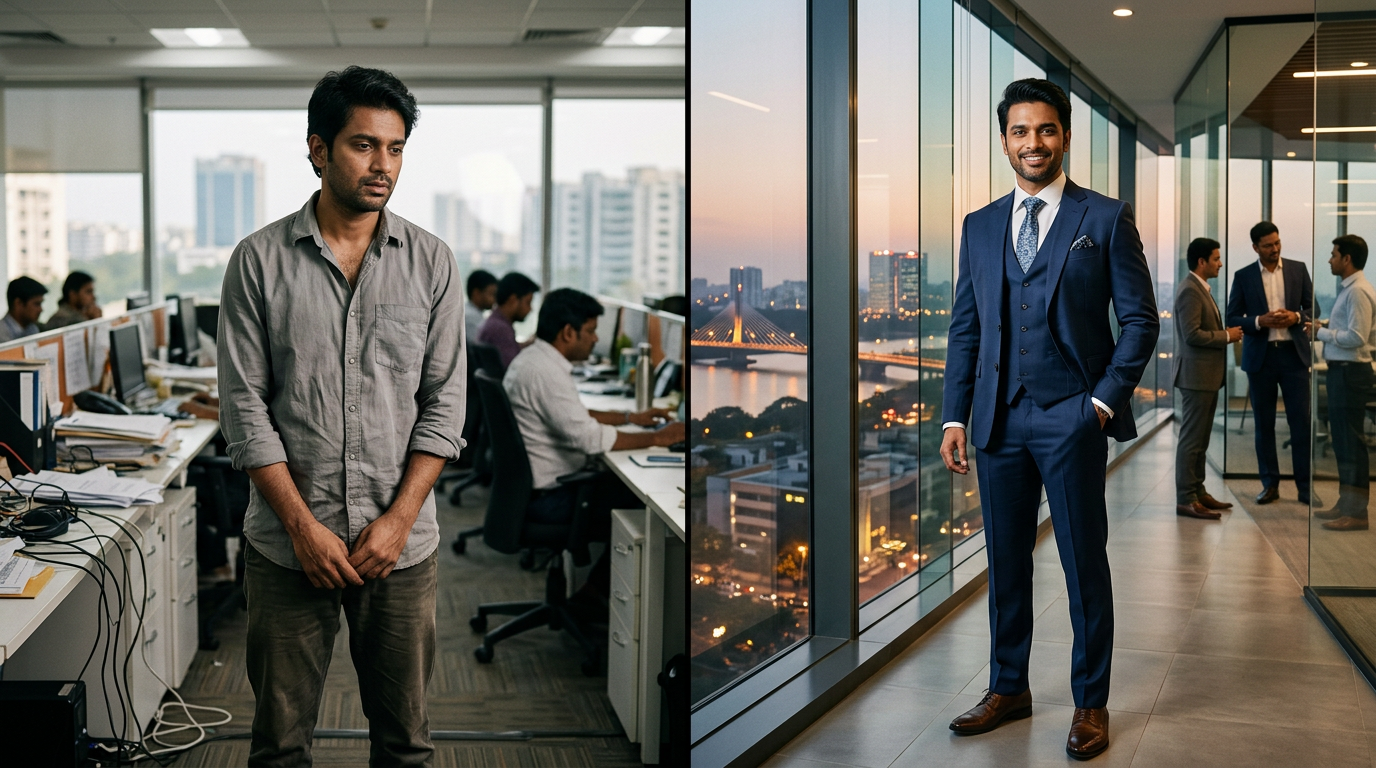
While the impact of color in interior design is undeniable, its influence extends profoundly into our personal style. The clothes we choose are not merely fabric; they are a visual language that communicates our mood, intentions, and even our personality. This is where the expertise of a personal stylist becomes invaluable. Understanding the nuances of color analysis is a cornerstone of effective styling, helping individuals select hues that not only flatter their complexion but also align with the message they wish to convey. For instance, a power suit in a deep navy or charcoal grey can project authority and professionalism, making it ideal for workwear styling. Conversely, soft pastels might suggest approachability and calm.
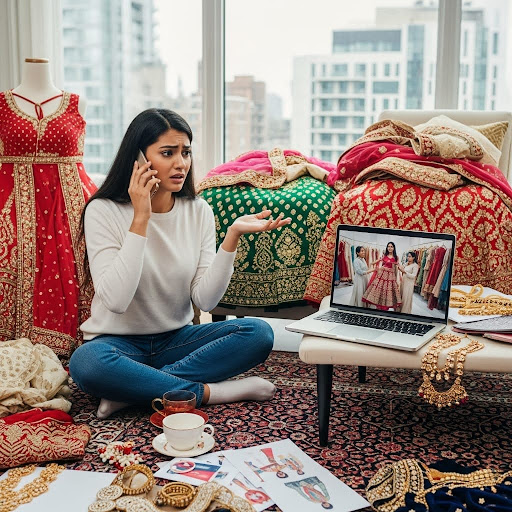
Consider the role of color in significant life events, such as a wedding. A wedding stylist meticulously curates the color palette for the bride, groom, and even the bridal party, knowing that these choices contribute significantly to the overall aesthetic and emotional tone of the day. From the classic white of purity to the vibrant reds of Indian weddings signifying prosperity and fertility, color choices are deeply embedded in cultural and emotional contexts.
Practical Application: Elevating Your Wardrobe with Color
For those looking to harness the power of color, a wardrobe makeover often begins with a thorough color analysis. This process, often conducted by an image consultant, identifies your unique undertones (warm, cool, or neutral) and determines which colors make you look radiant and vibrant, and which might wash you out. This isn't about restricting your choices, but empowering you to make informed decisions that enhance your natural beauty.
Beyond just flattering shades, consider the psychological impact of colors in your daily attire. If you're seeking to boost your energy levels or make a bold statement, incorporating vibrant reds or oranges can be effective. For a calming effect during a stressful day, opt for shades of blue or green. Even in ethnic wear styling, the rich tapestry of colors carries symbolic meaning, from the auspicious yellow of a turmeric ceremony to the celebratory pinks and purples of a festive lehenga. A good personal shopper can guide you to pieces that not only fit your style but also serve your emotional and professional goals.
Color and Confidence: A Deeper Connection
The right colors can significantly impact your self-perception and, consequently, your confidence training. When you wear colors that make you feel good, you project that positive energy outward. This isn't just about looking good; it's about feeling authentic and empowered. A well-chosen outfit, with colors that resonate with your inner self, can be a powerful tool for self-expression and personal growth. This holistic approach to style, encompassing everything from personal grooming to the psychology of color, is what truly defines a comprehensive style consultation. It moves beyond fleeting trends to create a lasting sense of self-assurance and authentic presence.
Further Reading
- Color Psychology in Fashion: What Your Outfit Says About You
- The Psychology of Fashion: How Your Outfit Affects Your Mood
- Importance of Colour Psychology in Fashion
FAQ
How does color psychology influence personal style choices?
Color psychology significantly impacts personal style by dictating how certain hues can make you feel and how others perceive you. Understanding this allows for intentional wardrobe choices that align with your desired mood or impression. A StyleBuddy personal stylist can help you leverage color psychology for a truly impactful wardrobe.
Can a personal stylist help me choose colors that enhance my mood?
Absolutely! A StyleBuddy personal stylist is an expert in color analysis and can guide you in selecting colors that uplift your mood and complement your natural features. Through a , they can identify your best colors and integrate them into your wardrobe.
What is a wardrobe makeover and how does color psychology play a role?
A wardrobe makeover involves a comprehensive overhaul of your clothing collection, and color psychology is central to this process. By understanding which colors flatter you and evoke positive emotions, a StyleBuddy image consultant can curate a wardrobe that not only looks great but also makes you feel confident and happy.
Where can I find an image consultant specializing in color analysis in India?
StyleBuddy offers expert image consultants throughout India who specialize in color analysis and understanding the psychology of color. They can provide personalized advice to help you build a wardrobe that truly reflects your personality and goals.
How can a style consultation improve my understanding of color and mood?
A style consultation with StyleBuddy will delve into the nuances of color psychology, explaining how different colors affect your mood and perception. Your personal stylist will provide practical tips and recommendations to incorporate these insights into your daily dressing, ensuring your style always works for you.