The Benefits of Tailored Retail Experiences
In today's fast-paced retail environment, customers are looking for more than just products; they want experiences that cater specifically to their needs and preferences. Tailored shopping experiences not only enhance customer satisfaction but also drive brand loyalty and sales. In this blog post, we’ll explore various aspects of tailored shopping experiences and how they can transform the retail landscape, much like how tailored retail experiences are reshaping modern fashion shopping.
Why Go for Tailored Shopping?
Retailers have started to recognize that a one-size-fits-all approach no longer meets the demands of the modern consumer. Tailored shopping offers a range of benefits:
Increased Customer Satisfaction
Personalized experiences lead to happier customers. When shoppers feel understood and valued, they are more likely to make a purchase and return in the future. Research indicates that 71% of consumers prefer personalized advertisements, highlighting the effectiveness of understanding your audience. This is also why personal styling services are gaining popularity among shoppers seeking clarity and confidence.
Higher Conversion Rates
Personalization can significantly boost conversion rates. According to a study by Segment, businesses that implement tailored marketing reports up to 760% increase in revenue. This is largely due to the improved relevance of offers and recommendations presented to customers.
Loyalty and Retention
A positive, personalized shopping experience fosters customer loyalty. When customers have memorable interactions with a brand, they are more likely to return, creating a larger lifetime customer value.
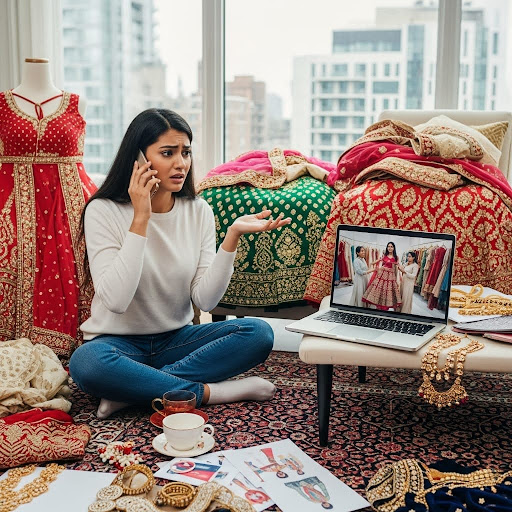
A customer is experiencing a personalized shopping environment.
Understanding Tailored Shopping
Tailored shopping goes beyond personalized recommendations; it encapsulates the entire shopping journey. This includes personalized emails, targeted advertisements, and customized web experiences based on a buyer's browsing history. By leveraging customer data, retailers can provide a more engaging experience that feels unique to each shopper. For instance, fashion retailers are increasingly utilizing data analytics to curate collections and suggest items based on previous purchases or browsing habits. This leads not just to higher sales figures but also a more engaged customer base, same as the approach seen in virtual personal shopping experiences.
What is User Curated Shopping?
User curated shopping refers to the practice of allowing customers to gain insights or recommendations from their peers, creating an interactive and community-centered shopping experience. Instead of relying solely on algorithms or brand messaging, this approach enables actual users to influence product visibility and desirability.
Platforms like Pinterest and Instagram have demonstrated the power of user-curated content through their visual appeal. Customers often look to social proof when making purchasing decisions, and curated lists add authenticity to the shopping experience. For example, a clothing store might showcase outfits selected by local fashion influencers, similar to how style consultations humanize fashion decisions driving traffic and interest in those items. These curated collections not only enhance the shopping experience but also offer customers a sense of belonging to a community. It reinforces the idea that they aren’t shopping alone; they are part of a larger conversation.
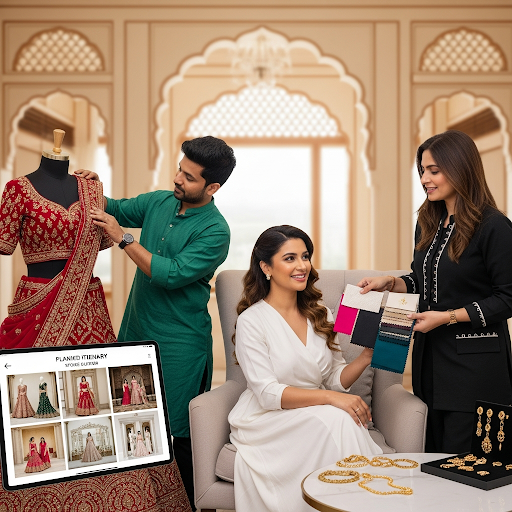
A vibrant fashion store showcasing user curated outfits.
The Impact of Technology on Tailored Shopping
Technology is at the forefront of transforming retail into a tailored experience. Here’s how:
- Artificial Intelligence: AI-driven tools analyze customer data and predict preferences, allowing retailers to offer personalized recommendations—much like AI-powered fashion insights shaping smarter shopping.
- Augmented Reality (AR): AR technology allows customers to visualize products in their own spaces. For instance, furniture retailers use AR apps that enable customers to see how a couch would look in their living room. This customization leads to more informed purchasing decisions.
- Mobile Apps: Customized mobile apps deliver reminders, curated recommendations, and real-time styling guidance—an approach increasingly adopted by on-demand styling platforms
These technologies create a seamless, tailored shopping experience that feels effortless for the consumer, significantly enhancing satisfaction and driving sales.
Enhancing In-Store Experience
Tailored shopping isn’t limited to online retail. In-store experiences can also be personalized:
Smart Mirrors
Some clothing retailers are implementing smart mirrors that suggest outfits based on customer preferences, past purchases, and current trends. Customers can virtually try on items and see how different combinations look without physically changing.
Curated Sections
Merchandising strategies that focus on tailored sections based on customer browsing habits can create an inviting atmosphere. For instance, stores might create themed sections based on events or trends that are relevant to the local community. Stores design sections around customer interests, seasons, or events, reflecting a wardrobe transformation mindset rather than impulse shopping.
Loyalty Programs
Tailored loyalty programs that offer personalized rewards can motivate more purchases. For example, customers may earn points for buying specific items they frequently purchase, leading to targeted offers that are more appealing than generic discounts.
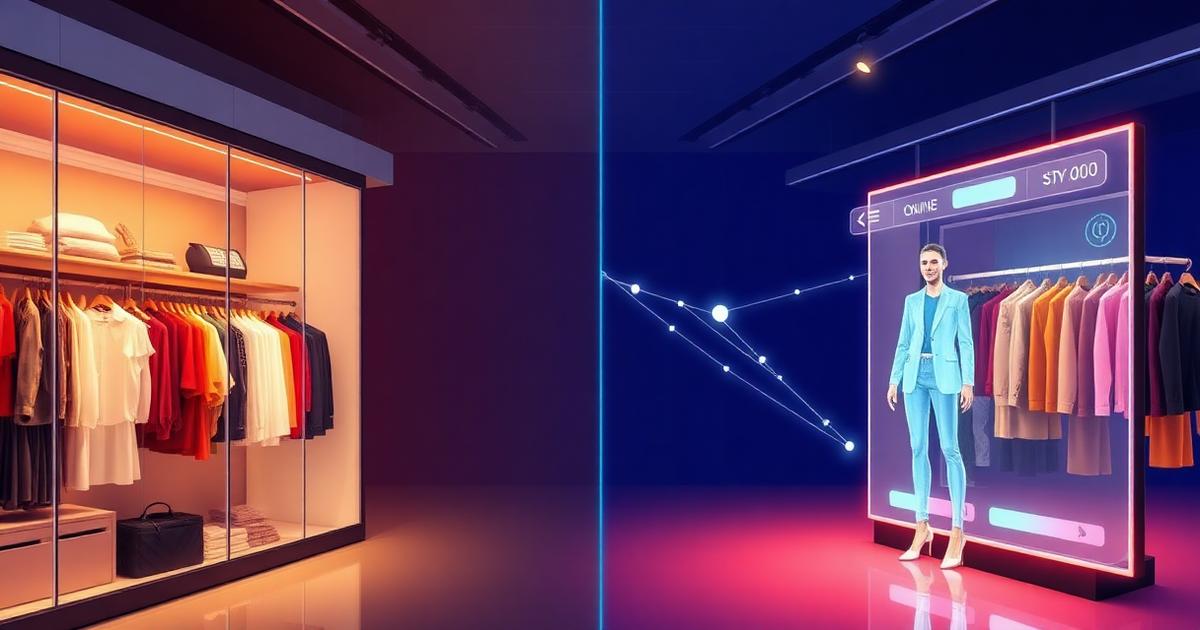
A smart mirror offers personalization in a clothing retail store.
Actionable Steps for Retailers
If you're a retailer looking to implement tailored shopping experiences, consider these actionable steps:
- Invest in Data Analytics: Understand your customer data. This means not just collecting data, but also analyzing it for actionable insights. The better you know your customer, the more personalized the experience you can provide.
- Focus on Customer Feedback: Encourage customers to leave reviews, participate in surveys, and engage with your brand on social media. Feedback is invaluable for refining your tailored strategies.
- Integrate Technology Thoughtfully: Look for technology solutions that can enhance, not complicate, the shopping experience. Invest in tools that allow for seamless transitions between online and offline shopping.
- Experiment with Personalization: Try different forms of personalization and measure the impact. A/B testing different approaches can provide insights into what resonates with your customer base.
Retailers adopting these strategies align closely with the rise of personalized shopping services. Incorporating tailored experiences can be a differentiating factor in today’s competitive retail landscape. The approach necessitates understanding customers deeply and using technology effectively to offer curated shopping experiences that are relevant and engaging. As we advance further into an era where personalization is not just a trend but an expectation, retailers that embrace tailored shopping experiences will not only see increased sales but also cultivate lasting relationships with their customers. Through understanding and implementing these strategies, the future of retail can be rich with tailored experiences that truly resonate with consumers.
FAQs
1. What are tailored retail experiences?
Tailored retail experiences focus on personalizing the shopping journey based on customer preferences, behaviour, and needs, resulting in higher satisfaction and engagement.
2. How do tailored shopping experiences increase sales?
By offering relevant recommendations and personalized interactions, customers are more likely to purchase, return, and remain loyal to the brand.
3. Is tailored shopping only for online stores?
No. Tailored shopping applies to both online and in-store environments through assisted shopping, smart technology, and personalized service.
4. How can fashion brands implement tailored retail experiences quickly?
Fashion brands can start with personal styling services, customer data analysis, and assisted shopping models like personal shopper programs.