Style Decoding: Rehman Dakait from Dhurandhar
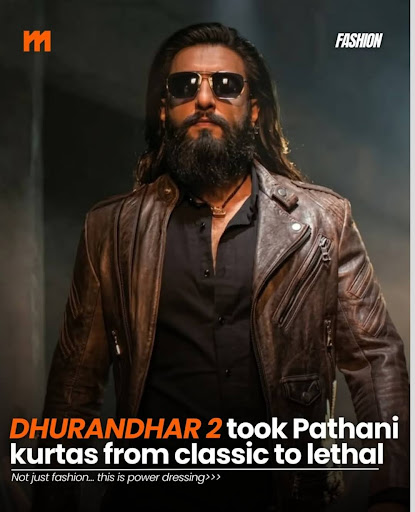
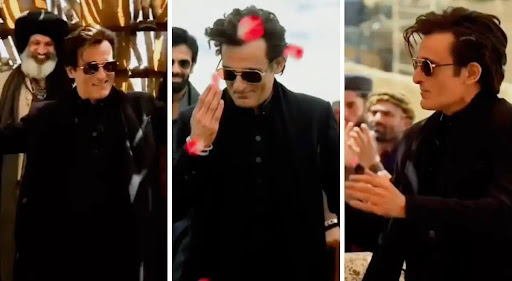
In cinema, style often speaks before dialogue. It reveals intent, power, vulnerability, and history. In Dhurandhar, Akshaye Khanna’s character Rehman Dakait—also known as “Sher-e-Baloch”—is a masterclass in silent storytelling through clothing. His wardrobe is not decorative; it is deliberate. Every fabric, color, and silhouette works as a narrative device, shaping a man who exists between the desert and the city, tradition and rebellion, stillness and danger. This is not fashion that seeks attention. This is fashion that commands it.
The Soul of the Look: A Man Who Hides in Plain Sight
Rehman Dakait’s style reflects a man forged by terrain, time, and conflict. He is not loud, yet impossible to ignore. His clothes carry the weight of lived experience—dust, heat, long journeys, and silent wars. There is an outlaw’s restraint to his appearance, where nothing feels excessive and nothing is accidental. The styling mirrors his persona: grounded, tactical, and deeply rooted. He dresses like someone who understands power doesn’t need embellishment.
Color Palette: Muted, Earthy, and Intentional
The dominant color story of Rehman Dakait is drawn straight from the desert landscape. Blacks, browns, dusty olives, charcoal, burnt umber, and faded indigo define his wardrobe. These tones don’t shout—they blend, conceal, and occasionally reveal.
This muted earthy palette serves two purposes. From a visual standpoint, it allows the character to merge into his environment, reinforcing the idea of a man who survives by staying unnoticed. From a psychological standpoint, these colors suggest emotional restraint, control, and inner intensity. In close-up frames, these shades stand out subtly, reinforcing the paradox of his character—a man who hides in plain sight. The absence of bright or polished hues reinforces his rejection of vanity. His colors are chosen for survival, not spectacle.
Fabric Language: Nothing Pristine, Everything Earned
The fabrics worn by Rehman Dakait are as raw as the character himself. Unpolished textures dominate the wardrobe—raw cotton, handwoven khadi, and distressed leather. These materials feel lived-in, as if they have endured the same battles as the man wearing them.
There is a deliberate weight and flow to these fabrics. When he walks slowly, the movement of a kurta catching the wind or dust rising with each step adds drama without theatrics. These textiles respond to the environment, creating a visual rhythm that feels organic and grounded. Nothing appears new or untouched. This is clothing that has history. The fabric choices subtly communicate resilience, humility, and authenticity. Everything is earned; nothing is ornamental.
Silhouette: Still, Lean, and Dangerous
Rehman Dakait’s silhouette is lean but commanding. Longline kurtas form the base of his wardrobe, often structured with sharp shoulders that add quiet authority. These are layered with waistcoats, shawls, or dusters—each layer adding depth without bulk. The elongated lines of his outfits stretch his frame, creating a vertical dominance that reinforces power and presence.
Even when he is seated or standing still, there is tension in his posture. The clothes contribute to this effect, giving him a “still but dangerous” aura. Layering is not an aesthetic indulgence here; it is strategic. Long kurtas, waistcoats, and shawls suggest tradition, while their sharp cuts and restrained styling hint at tactical readiness. He looks like a man prepared for conflict, even in moments of calm.
The Psychology of Layering
Layering in Rehman Dakait’s wardrobe goes beyond visual interest. It symbolizes duality. Tradition meets modern menace. Cultural roots coexist with survival instincts. Each layer feels purposeful—nothing flaps, nothing distracts. The styling suggests someone who values function, protection, and symbolism. It reflects a character who is always mentally armored, even when physically unguarded.
From Screen to Street: Styling Yourself Like Rehman Dakait
Inspired by Dhurandhar, StyleBuddy translates this cinematic aesthetic into wearable, contemporary looks—without losing its raw soul.
Urban Nomad Look
- Outfit: Long black Pathani kurta paired with slim-fit denim and ankle-length boots
- Layer: Sleeveless Nehru jacket or raw-edge cotton vest
- Accessories: Leather wrist cuff, oxidized ring
- Vibe: Streetwear meets desert rebel
This look works perfectly for urban settings while retaining the rugged, nomadic essence of Rehman Dakait. It’s ideal for those who want understated power dressing without looking costume-like.
Desert Formal Look
- Outfit: Earth-toned Pathani suit in olive, rust, or charcoal
- Layer: Structured blazer in khadi or raw silk
- Footwear: Mojaris or suede loafers
- Grooming: Salt-and-pepper stubble with side-parted hair
- Vibe: Power dressing with a tribal twist
This interpretation is perfect for formal events, cultural gatherings, or statement occasions where you want to stand out quietly. It balances elegance with grit—refined yet rooted.
Why This Style Works Beyond Cinema
What makes Rehman Dakait’s style so compelling is its timelessness. It is not trend-driven. It doesn’t rely on logos, shine, or excess. Instead, it draws strength from craftsmanship, structure, and restraint. In a world of fast fashion and fleeting aesthetics, this style resonates because it feels real. It celebrates Indian textiles like khadi, respects traditional silhouettes like the Pathani and kurta, and elevates them through intentional styling. This is masculinity without aggression. Authority without noise. Fashion that reflects character rather than chasing attention.
Final Thoughts: Style as Silent Storytelling
Rehman Dakait’s wardrobe in Dhurandhar proves that style can be a language of its own. Through muted colors, raw fabrics, and commanding silhouettes, his look tells a story of survival, identity, and power. It reminds us that true style is not about being seen—it’s about being remembered.
If you’re drawn to fashion that feels grounded, purposeful, and deeply expressive, this aesthetic offers more than inspiration. It offers a philosophy: dress like you’ve lived, like you’ve earned every crease, every layer, every step forward. That is the essence of style decoding Rehman Dakait.
FAQ
How can a personal stylist help me define my own style?
A personal stylist can help you identify your unique aesthetic by understanding your lifestyle, preferences, and goals. At StyleBuddy, our expert image consultants guide you through a style consultation to create a wardrobe that truly reflects you.
What is included in a wardrobe makeover service?
A wardrobe makeover typically involves decluttering your current closet, identifying gaps, and curating new pieces that align with your personal style. StyleBuddy offers comprehensive wardrobe makeovers to ensure every item serves a purpose and enhances your image.
Can an image consultant help me achieve a specific look, like Rehman Dakait's?
While an image consultant can help you understand the elements of a specific character's style, their primary role is to help you develop an authentic look that suits your individuality. StyleBuddy's experts will help you decode style inspirations and translate them into a personal aesthetic that works for you.
How do I find the right personal stylist for my needs?
When looking for a personal stylist, consider their experience, client testimonials, and whether their approach aligns with your goals. StyleBuddy provides access to India's top personal stylists who are dedicated to helping you achieve your desired style transformation.
What are the benefits of investing in a style consultation?
A style consultation helps you gain clarity on your personal brand and how to effectively communicate it through your clothing. With StyleBuddy, a style consultation can lead to increased confidence, a more efficient wardrobe, and a clearer understanding of your unique fashion identity.