Milan Fashion Week 2026: The Runway Trends Defining Global Style
Every year, the global fashion industry looks to four major cities for direction. But in 2026, Milan didn't just present collections — it presented clarity. At a time when fashion is balancing heritage, innovation, sustainability, and digital acceleration, Milan Fashion Week became the loudest voice in the room.
Whether you're exploring styling services for a wardrobe refresh or curious about what the runways mean for your personal style, this season's trends offer powerful direction.
1. Heritage, Reimagined — Not Repeated
Milan has always been synonymous with legacy houses and craftsmanship. But this season, designers didn't rely on nostalgia. Instead, they modernised it.
Think:
- Traditional tailoring with relaxed silhouettes
- Classic Italian fabrics used in unexpected cuts
- Vintage-inspired prints styled with futuristic accessories
The message? Heritage is powerful — but only when adapted for today.
What it means globally: Consumers want depth in their fashion choices. They're leaning toward brands and wardrobes that tell a story. For personal styling, this signals a move toward investment pieces with cultural or craftsmanship value — rather than fast, forgettable trends.
This is also why services like a wardrobe makeover are gaining popularity — people want to curate, not accumulate.
2. Soft Power Dressing Takes the Lead
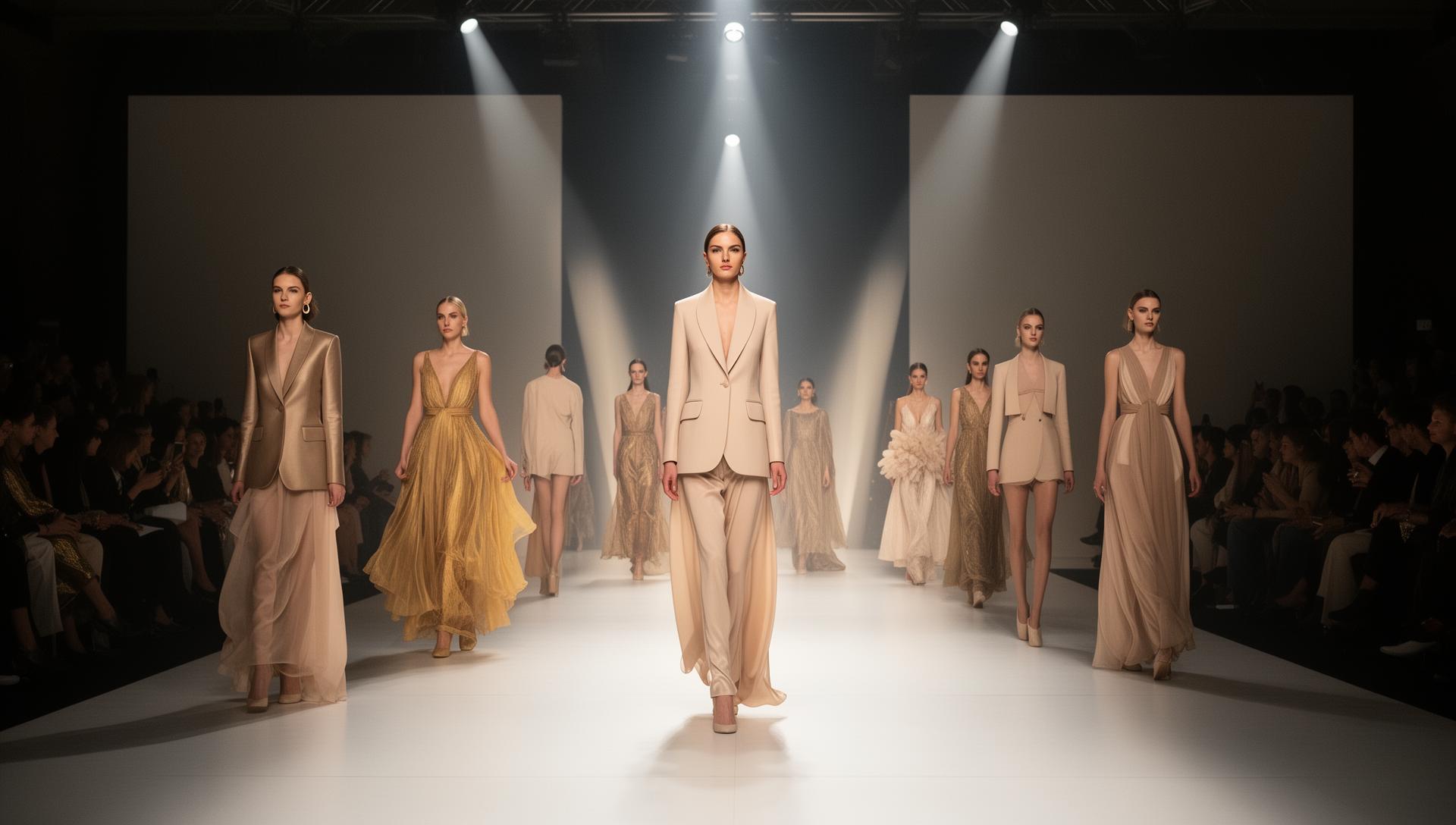
Structured blazers softened with fluid trousers. Silk blouses paired with sharp tailoring. Muted palettes replacing aggressive monochromes.
This was soft power dressing — but evolved.
The 2026 Milan runways reflected a shift toward feminine authority and emotional intelligence in fashion. Strength was expressed through elegance rather than rigidity.
Global impact: Professionals worldwide are redefining what authority looks like. Corporate wardrobes are moving away from overly masculine silhouettes and embracing balanced structure. This directly connects to personal branding — you can look powerful without looking severe.
If you're navigating this shift in your own closet, workwear styling services can help you find that balance between authority and approachability.
3. Statement Accessories Are Back — Loudly
While silhouettes leaned refined, accessories made bold declarations.
- Oversized sunglasses
- Sculptural handbags
- Color-saturated gemstone jewelry
- Dramatic belts and metallic accents
Accessories weren't supporting actors this season — they were protagonists.
Why this matters: In a world of minimalist wardrobes, accessories are becoming the expression layer. Globally, consumers are investing in fewer clothes but bolder add-ons. It's a smart styling move — transform one base outfit into five distinct looks.
For personal styling, this is gold. It proves you don't need a bigger wardrobe. You need a smarter styling strategy. A personal shopper can help you find statement pieces that elevate your entire wardrobe.
4. Sustainability as Standard, Not Statement
Unlike previous seasons where sustainability was highlighted as a "special" feature, this year it felt embedded.
Designers quietly integrated:
- Responsible sourcing
- Lower-impact materials
- Transparent craftsmanship stories
There was less greenwashing, more normalization.
Global takeaway: Consumers now expect sustainability as baseline credibility. It's no longer a marketing headline — it's a prerequisite.
For stylists and shoppers alike, this means prioritising quality over quantity and curating wardrobes that last beyond seasonal cycles. A style consultation focused on longevity is more valuable than ever.
5. Celebrity Influence, But With Intention
Front rows were packed, as always. But what stood out was how celebrities styled runway looks in ways that felt wearable.
The narrative has shifted from shock value to relatability.
- Elevated everyday luxury
- Understated glam
- High-fashion interpreted practically
What this signals: Luxury is becoming more lifestyle-oriented. People want aspirational fashion that feels adaptable to real life — not just viral moments.
This is exactly where celebrity styling and luxury styling intersect — making high fashion accessible and wearable for real occasions.
The Bigger Picture: What Milan Means for 2026
If there's one theme that defined Milan Fashion Week 2026, it's this: Fashion is maturing.
It's less about chasing micro-trends and more about building a style identity that reflects who you are.
Globally, wardrobes are becoming more intentional. Consumers are asking:
- Does this reflect who I am?
- Does this align with where I'm going?
- Will this last?
Fashion isn't about excess. It's about alignment. Milan didn't just show us what to wear in 2026. It showed us how to think about style. And that's the real trend worth following.
If you're ready to align your wardrobe with your goals, explore our styling services pricing or take our style quiz to discover your personal style profile.
Frequently Asked Questions
What were the key trends at Milan Fashion Week 2026?
Soft power dressing, heritage reinterpretation, bold accessories, and normalized sustainability defined Milan 2026.
Why is Milan Fashion Week important globally?
Milan sets luxury direction, influencing corporate fashion, sustainability standards, and global retail strategy.
How can I incorporate Milan 2026 trends into my wardrobe?
Start with a color analysis to understand which palettes work for you, then invest in heritage-quality pieces and statement accessories that reflect the season's themes.