Enhancing Shopping Experiences with Virtual Tools
In today's fast-paced world, shopping has evolved from a mere necessity to an experience enriched by technology. As consumers increasingly turn to online platforms, the incorporation of virtual tools has become essential for brands looking to enhance their customer engagement and satisfaction. From virtual fitting rooms to augmented reality (AR) applications, these innovations are reshaping how we shop, making the experience more intuitive and personalized.
The Importance of Virtual Tools
Virtual tools have revolutionized the retail landscape, offering unique ways for brands to connect with their customers. A study by Forrester Research found that 71% of shopping experiences can be influenced by digital interactions. By leveraging technologies such as virtual reality (VR) and AR, brands can enhance their offerings, reduce return rates, and create lasting customer loyalty.
Here’s how:
- Personalization: Virtual tools allow consumers to personalize their shopping journey, tailoring products to fit their tastes and needs. When customers see products in a way that speaks to them, their connection to the brand deepens.
- Reduced Returns: One of the leading causes of returns is product misrepresentation. Virtual tools help mitigate this issue by providing a more accurate representation of products. Companies using AR have reported a significant decrease in return rates.
- Increased Engagement: Virtual experiences captivate consumers, drawing them into the shopping experience. The more engaged a customer is, the more likely they are to convert, whether that be through a purchase or sharing their experience with others.
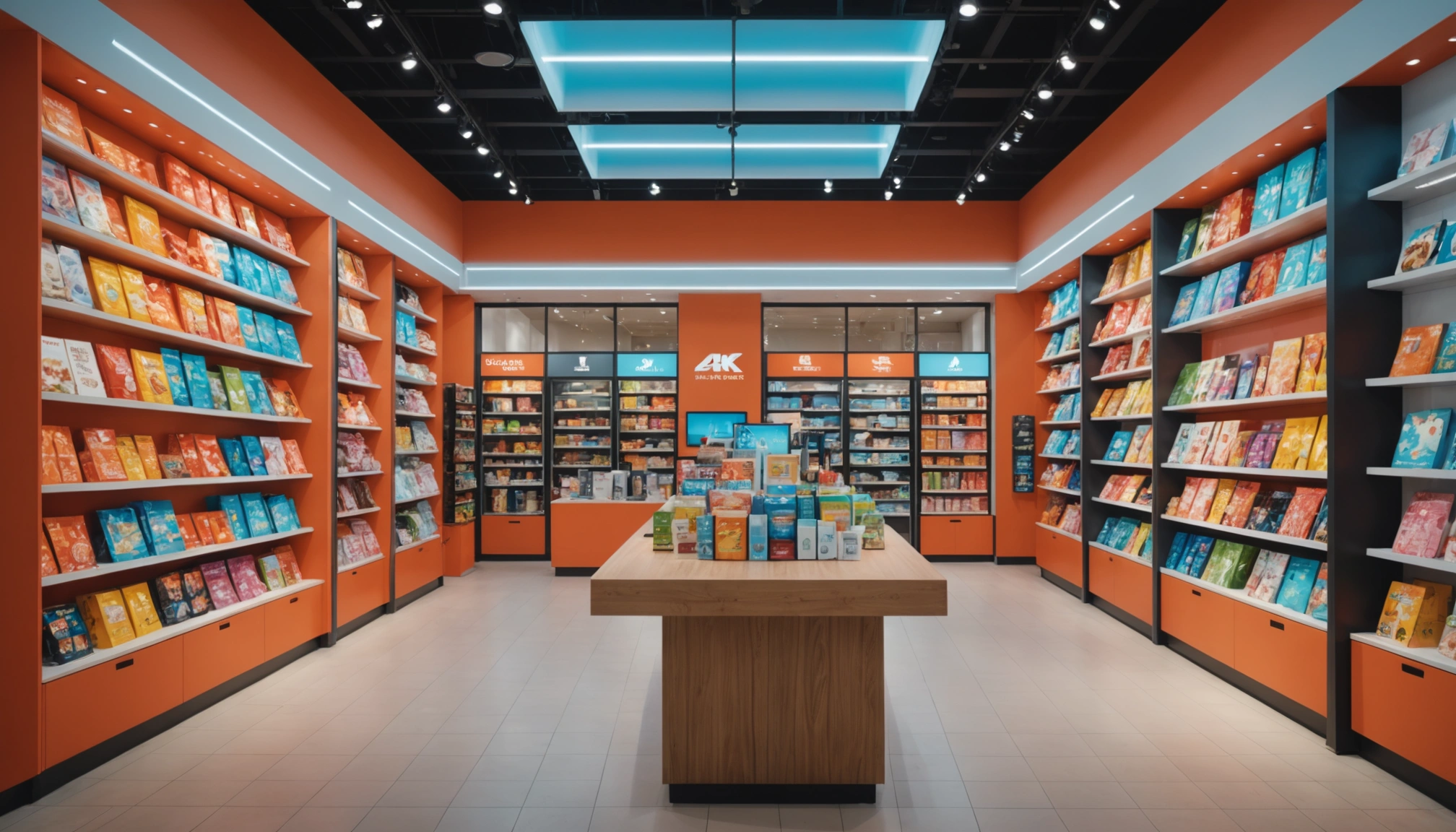
A vibrant virtual shopping space showcasing advanced technology.
Innovative Applications of Virtual Tools
There are a variety of virtual tools available that can enhance the shopping experience. Let's explore some of the most popular options:
Virtual Fitting Rooms
Virtual fitting rooms allow consumers to try on clothes digitally before making a purchase. Shoppers can upload their measurements or choose a model that matches their body type. This technology not only helps in ensuring a proper fit but also boosts confidence in online purchases. Brands like ASOS and Abercrombie & Fitch have successfully integrated virtual fitting rooms into their platforms. These applications utilize sophisticated imaging technology, offering a realistic representation of how clothes would look on an individual.
Augmented Reality (AR)
AR technology bridges the gap between physical and virtual shopping experiences. By superimposing virtual items onto real-world settings, brands can show customers how products fit into their lives. For example, IKEA’s AR app lets customers visualize how furniture will appear in their homes before they buy. Reports indicate that 75% of consumers prefer retailers with AR services, highlighting just how crucial this tool can be for driving sales.
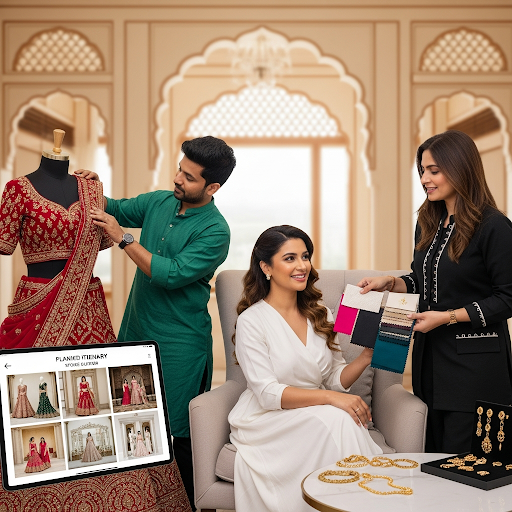
A user engaging with a virtual fitting room experience.
Virtual Showrooms and 3D Displays
Virtual showrooms and 3D displays allow consumers to explore products in a simulated environment. They can walk through showrooms virtually, making it easier for brands to showcase their offerings. Companies like Audi have implemented virtual showrooms where potential buyers can explore car features in a 3D environment. This immersive experience enables customers to interact with products in a way that traditional showrooms cannot offer.
What is Real vs Virtual Mirrors?
Real mirrors reflect physical objects, while virtual mirrors utilize digital technologies to create a simulated reflection. The latter employs augmented reality to display an image of a user alongside digital content. Virtual mirrors can incorporate various features, such as enabling users to see themselves in different outfits or hairstyles without needing to change clothes. This technology is evolving rapidly, becoming more user-friendly and accessible.
The impact of virtual mirrors on retail is significant. Brands like Sephora use virtual mirror technology to allow customers to try on makeup virtually, creating a fun and interactive shopping experience. Furthermore, virtual mirrors can analyze body shape, helping customers find clothing that complements their figure.
A digital fashion showroom showcasing a blend of technology and style.
Actionable Recommendations for Brands
To make the most of virtual tools, brands should consider the following actionable strategies:
- Invest in Technology: Brands should allocate budget and resources to invest in the best virtual solutions available. Collaborating with tech firms specializing in AR and VR development can yield fruitful partnerships.
- Market Research: Understanding target audience preferences is crucial when implementing virtual tools. Brands should conduct surveys or focus groups to gauge customer responses and needs.
- Engage with Customers: Brands should actively seek feedback on their virtual offerings. Encouraging reviews can provide valuable insights and help refine the tools for improved user experience.
- Promote Virtual Solutions: It’s essential for brands to market their virtual tools effectively. Providing tutorials or demos can help demystify technology and drive consumer adoption.
- Create a Seamless Experience: Ensure that the virtual shopping experience is integrated smoothly into the existing shopping platform. A disjointed experience may lead to customer frustration and abandonment.
Future Directions in Virtual Shopping Experiences
As technology continues to evolve, so will the ways consumers shop. The future may hold even more advancements, such as the integration of artificial intelligence with virtual tools to create hyper-personalized shopping experiences. Brands will likely harness predictive algorithms to suggest products tailored to individual preferences, enhancing the shopping experience further.
The rise of virtual reality stores could also present new avenues for customers to explore a range of products. In addition, sustainability can be enhanced through virtual shopping, reducing the need for physical samples and minimizing waste. As consumers become more eco-conscious, brands that prioritize sustainable strategies in their virtual tools will gain a competitive edge.
In the retail landscape, companies that effectively leverage virtual tools like the virtual mirror will set themselves apart. By creating an engaging, personalized, and enjoyable shopping experience, brands can foster strong connections and ensure long-term customer loyalty. The integration of virtual tools in shopping is not just a trend; it represents the future of retail—offering a pathway to not only meet but exceed consumer expectations. Retailers should embrace these technologies now to establish themselves as leaders in the marketplace.
FAQ
How can virtual tools improve my shopping experience?
Virtual tools enhance shopping by offering personalized recommendations, virtual try-ons, and augmented reality features, making the process more convenient and tailored to your preferences. This allows you to visualize items better and make more informed purchasing decisions from the comfort of your home.
What kind of virtual tools are available for fashion shopping?
Many virtual tools exist, including virtual fitting rooms, AI-powered style advisors, and augmented reality apps that let you "try on" clothes or see how items fit your space. StyleBuddy's personal stylist services leverage these innovations to provide a seamless and effective style consultation.
Can a personal stylist help me navigate virtual shopping tools?
Absolutely! A from StyleBuddy can guide you through the best virtual shopping platforms and tools, helping you understand how to utilize them for your wardrobe makeover. They can curate selections and provide expert advice, ensuring you make the most of these digital advancements.
Is a virtual style consultation as effective as an in-person one?
Yes, a virtual can be incredibly effective, especially when utilizing advanced virtual tools for visualization and communication. StyleBuddy's image consultant experts are adept at delivering comprehensive and personalized advice remotely, ensuring your style needs are met regardless of location.
How can I get a personalized wardrobe makeover using virtual tools?
You can achieve a personalized wardrobe makeover by engaging with a personal stylist who utilizes virtual tools for style assessments, mood board creation, and virtual shopping trips. StyleBuddy offers comprehensive services that integrate these tools, providing a convenient and highly customized experience to refresh your look.