2024 India E-commerce Industry Report - Statista.com
Research Firm Statista released its 2024 Industry report on E-Commerce industry in India . Here is a summary of key insights from the report:
The advent of e-commerce has changed the way India shops, especially after the exponential growth of the internet and online infrastructure of the country. In addition, the shift in consumer shopping behavior since the pandemic and an increasing share of the organized sector within retail markets created a strong foundation needed for the establishment of e-commerce in the market.
With a population of more than 1.4 billion and a fast-growing economy, the number of online shoppers is predicted to increase to 427 million by 2027. Consequently, the booming e-commerce industry is estimated to be worth over 300 billion U.S. dollars by 2030.
Besides the increase in disposable income, changing lifestyles, and convenience are the primary factors due to which most consumers prefer online shopping. From groceries to other essentials, everything can be delivered with the touch of a button, sometimes even in 10 minutes, particularly for consumers living in urban areas. Zepto, Zomato, and Swiggy are some major domestic quick commerce brands that provide fast and efficient delivery services.
Digitalization in e-commerce sector
Digitalization made extensive leaps, thanks to the Digital India initiative by the government. Despite recent digital shifts in India’s retail sector and pandemic-related updrafts have boosted e-commerce adoption among both consumers and enterprises.
In order to simulate human-to-human contact and offer consumers 24/7 assistance, chatbots, and other AI technologies are set up for a decent shopping experience.
Consumers in Tier 2 and Tier 3 cities are more inclined to make the ultimate choice to buy online due to a great selection of payment options and attractive offers from e-wallets. Smartphone use has also supported the transition to mobile shopping to a point where it was estimated that every third of Indian consumers shop online using a smartphone.
Additionally, Amazon and Flipkart were the dominant e-commerce players, battling neck and neck every festive season over extravagant sales. By 2025, the government's aim to create a trillion-dollar digital economy might become a reality after all.
Social commerce
Given the steady increase of social media users in the coming years, brands are coming up with innovative strategies to turn captive audiences into consumers. As a result, the market size of social commerce is likely to reach over 80 billion U.S. dollars in 2030.
Besides, users often spend an average of three hours online each day posting, browsing, watching videos, and communicating. It provides a window of opportunity for companies to reach customers with their marketing efforts.
Influencer marketing and celebrity endorsement played a crucial role in the success of social commerce. With the incorporation of new features, Instagram was the most preferred platform for social commerce, followed by Facebook and YouTube. Moreover, advertisements on social media had a greater impact on the purchasing decisions of consumers, especially for skincare and makeup which were the most influential categories for social commerce.
Post content Credits: Statista.com
The Evolving Role of Personal Styling in the Digital Age
The rapid expansion of India's e-commerce landscape, as highlighted by the Statista report, isn't just about faster deliveries or more payment options; it's fundamentally reshaping how individuals approach their personal style. With an overwhelming abundance of choices available online, from fast fashion to luxury brands, consumers are increasingly seeking expert guidance to navigate this digital fashion maze. This is where the importance of a personal stylist becomes paramount. No longer confined to the elite, professional styling services are becoming accessible to a wider audience, thanks in part to the very e-commerce platforms that have democratized shopping.
Leveraging E-commerce for Enhanced Style Consultations
The digital shift has opened new avenues for style professionals. A skilled personal shopper can now curate wardrobes from across countless online retailers, offering clients a global selection at their fingertips. This is particularly beneficial for those looking for specific pieces, whether it's a unique ensemble for a special occasion or enhancing their everyday workwear styling. For instance, a wedding stylist can source bridal wear, trousseau pieces, and accessories from designers nationwide, overcoming geographical limitations.
Moreover, the rise of AI and digital tools is transforming services like color analysis. While traditionally an in-person service, online platforms are now leveraging technology to help individuals understand their ideal color palettes, which can then be applied to their online shopping choices. This integration of technology and human expertise ensures that clients not only look good but also feel genuinely confident in their selections.
Beyond Shopping: The Holistic Approach to Image Transformation
The impact of e-commerce extends beyond mere purchasing. It enables a more holistic approach to personal image. A comprehensive wardrobe makeover, for example, can now begin with a virtual consultation, assessing existing pieces and identifying gaps, before moving to online sourcing for new additions. This streamlined process is highly efficient and tailored to the client's lifestyle. For those seeking a complete overhaul, an image consultant can provide a full spectrum of services, from personal grooming advice to confidence training, all potentially facilitated through digital channels.
The report's emphasis on social commerce further underscores this trend. Influencer marketing and celebrity endorsements, often showcasing specific looks and products, directly influence consumer purchasing decisions. A good personal stylist can help clients decipher these trends, adapting them to their individual style and body type, ensuring they make informed choices rather than simply following fads. This is especially true for categories like ethnic wear styling, where cultural nuances and traditional aesthetics play a significant role. With the vast array of options available online, expert guidance ensures authenticity and elegance.
Practical Tips for Styling in the Digital Age
- Define Your Style Persona: Before diving into endless online catalogs, take some time to understand your personal style. What colors do you gravitate towards? What silhouettes flatter your body? A professional style consultation can help clarify this.
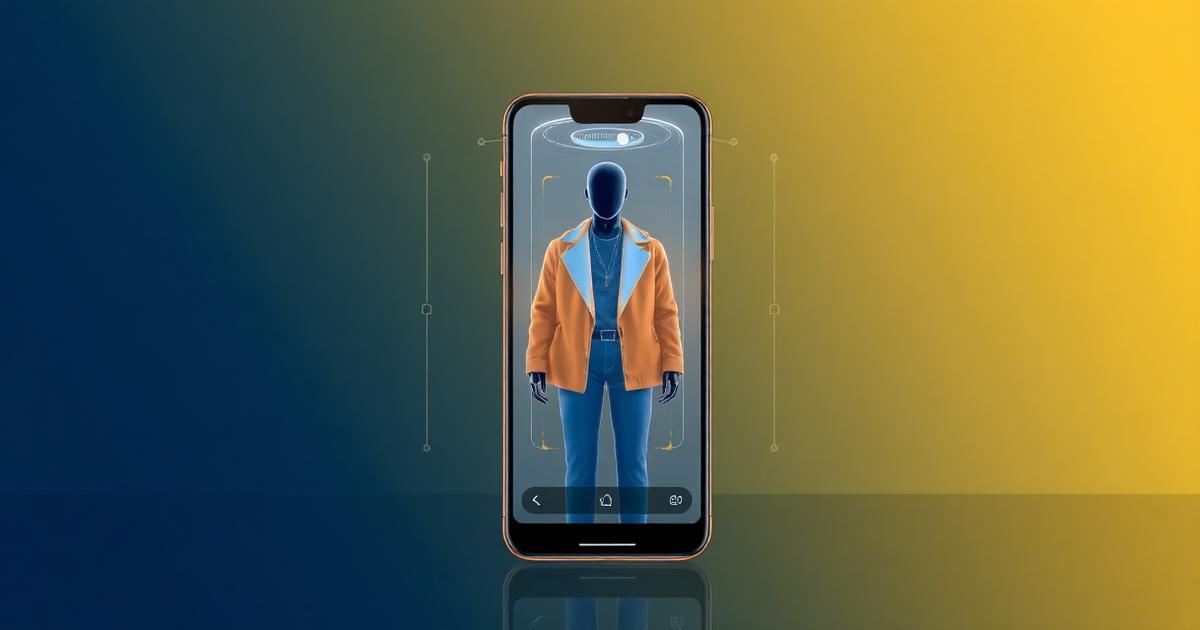
- Utilize Virtual Try-Ons: Many e-commerce platforms are integrating virtual try-on features. While not perfect, they offer a better sense of how an item might look before purchase, reducing returns and saving time.
- Read Reviews and Check Fabric Details: Online shopping means you can't physically touch the fabric. Pay close attention to material descriptions and customer reviews to gauge quality and fit.
- Invest in Key Pieces: With the convenience of online shopping, it's easy to get caught up in impulse buys. Focus on investing in versatile, high-quality pieces that form the foundation of your wardrobe.
- Consider a Digital Wardrobe Audit: Take photos of your existing wardrobe. This visual inventory can help you identify what you truly need and avoid duplicate purchases when shopping online.
The Indian e-commerce boom provides an unprecedented opportunity for individuals to refine and redefine their personal style. With the right tools and expert guidance, navigating this exciting digital landscape can lead to a more confident and stylish you.
Further Reading
- Saree Draper, Shopping Partner, or Style Advisor — All in One App!
- Your Phone is Now a Smarter Dressing Room
- How to Upgrade Your Wardrobe on a Budget
FAQ
How is the Indian e-commerce market projected to grow in 2024?
The Indian e-commerce market is experiencing significant growth, with the number of online shoppers predicted to reach 427 million. This expansion is driven by increasing internet penetration and changing consumer shopping behaviors.
What impact does the rise of e-commerce have on personal styling needs in India?
As more Indians shop online, the need for personalized guidance in navigating vast product selections increases. StyleBuddy's personal stylist services can help you make informed fashion choices from the convenience of your home.
Can a personal stylist help me with my online shopping choices?
Absolutely! A StyleBuddy image consultant can provide a to understand your preferences and help you curate a wardrobe from online retailers, ensuring you make smart and stylish purchases.
How can I get a wardrobe makeover with the convenience of online shopping?
StyleBuddy offers virtual wardrobe makeover services where our experts guide you through decluttering, identifying gaps, and selecting new pieces. We leverage the breadth of online shopping to create a refreshed and cohesive look for you.
What are the benefits of using an image consultant in the current e-commerce landscape?
An image consultant from StyleBuddy can save you time and money by helping you avoid impulse buys and ensuring your online purchases align with your personal brand. They provide expert advice, making your online shopping experience more efficient and effective.