

What to Wear vs What to Shop: Avoid These 10 Wedding Wardrobe Mistakes Brides Still Make
Bridal shopping often blurs the line between emotional buying and strategic wardrobe building. This guide helps brides understand the difference between what they should wear for impact and what they should actually shop for long-term value.
By avoiding common mistakes like overbuying lehengas, ignoring comfort, and skipping rewear planning, brides can create a smarter, more versatile wedding wardrobe that extends beyond the celebration.
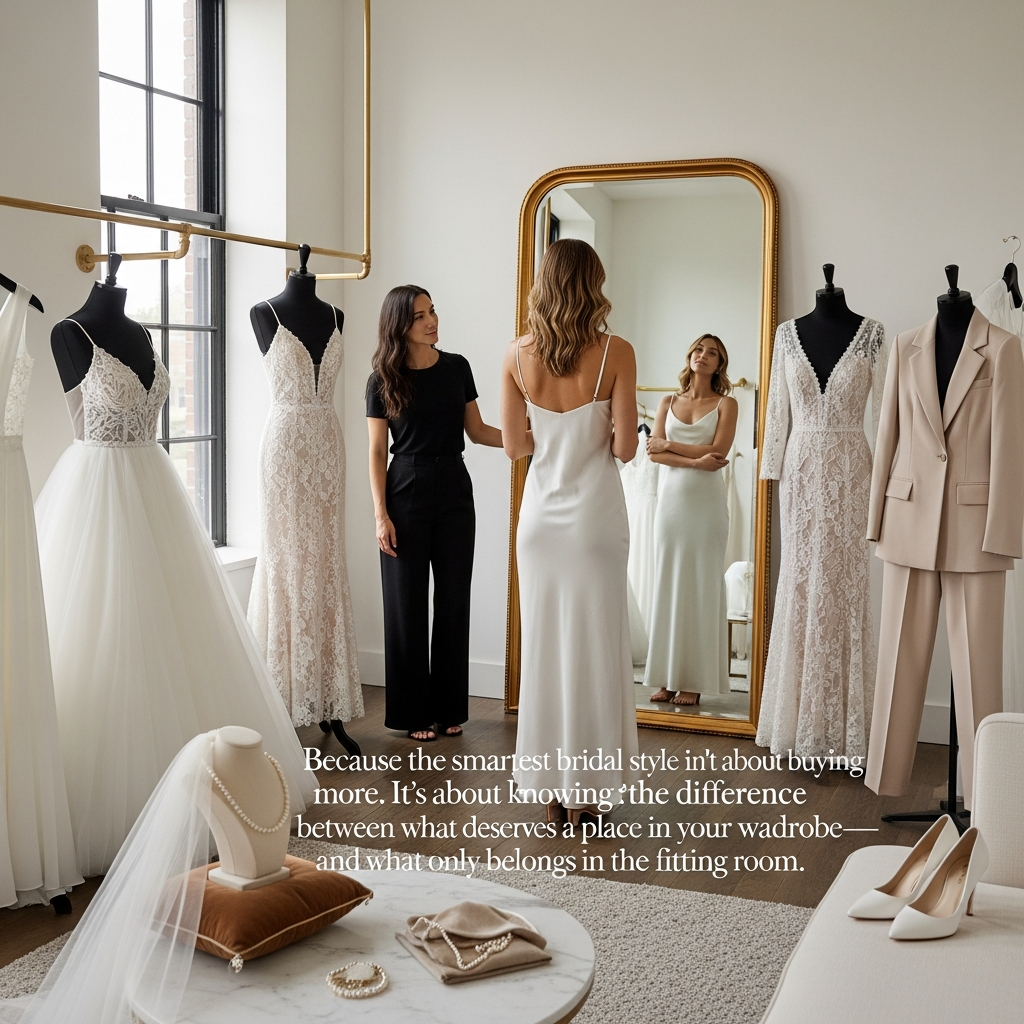
Wedding shopping in India often begins with excitement—but quickly turns into excess. Endless fittings, emotional purchases, family opinions, and trend-driven decisions can leave brides with wardrobes full of expensive outfits they rarely wear again.
The biggest challenge? Brides often confuse what they should wear with what they should buy.
The two are not always the same.
As a stylist, I’ve seen beautifully curated weddings overshadowed by poorly planned wardrobes—overbought, impractical, and disconnected from the bride’s actual lifestyle. The goal of bridal shopping should not be accumulation. It should be intention.
This guide breaks down the 10 most common wedding wardrobe mistakes brides still make—and how to avoid them.
1. Overbuying Lehengas
Many brides invest in multiple heavy lehengas for different events.
The Problem:
Lehengas often have low repeat value and high cost-per-wear.
What to Do Instead:
Limit heavy lehengas to key functions and diversify with sarees, shararas, gowns, or fusion wear.
Smart Shopping Rule: Buy fewer statement pieces and more versatile silhouettes.
2. Ignoring Comfort for Aesthetics
An outfit may look stunning—but if you can’t move, dance, or sit comfortably, it becomes a burden.
The Problem:
Discomfort impacts confidence and enjoyment.
What to Do Instead:
Prioritize breathable fabrics, practical fits, and manageable weight.
A beautiful outfit should support your experience—not restrict it.
3. Having No Outfit Repetition Plan
Brides often purchase outfits with no thought of rewear.
The Problem:
Single-use wardrobes create waste and poor ROI.
What to Do Instead:
Before buying, ask: How else can I wear this?
Look for detachable elements, reusable blouses, and adaptable styling.
4. Buying for Trends, Not Timelessness
Trend-heavy outfits can feel outdated quickly.
The Problem:
What looks current now may not age well in photos or future wear.
What to Do Instead:
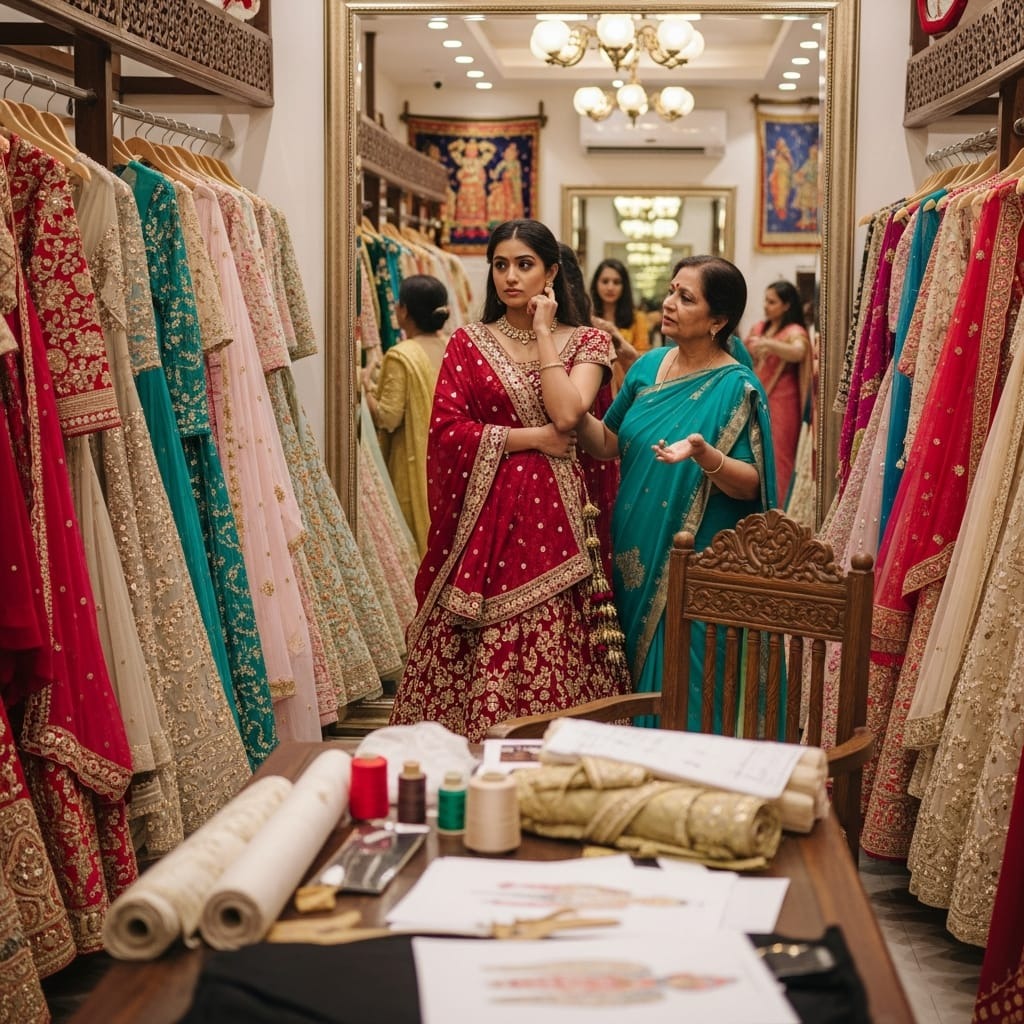
Choose classic craftsmanship, balanced colors, and enduring silhouettes.
Timeless style always outlasts trend cycles.
5. Underestimating the Trousseau
Many brides focus heavily on ceremony outfits and neglect post-wedding needs.
The Problem:
A wardrobe gap after the celebrations.
What to Do Instead:
Allocate budget for practical, versatile trousseau pieces suited to everyday and festive life.
Your wardrobe begins after the wedding—not ends with it.
6. Not Planning Complete Looks
Buying outfits without considering accessories, footwear, and styling creates last-minute stress.
The Problem:
Incomplete ensembles and rushed purchases.
What to Do Instead:
Shop by look—not by garment.
Every outfit should be planned with its full styling ecosystem.
7. Overspending on One-Day Looks
Brides often invest disproportionately in a single outfit.
The Problem:
Budget imbalance leaves little room for versatile pieces.
What to Do Instead:
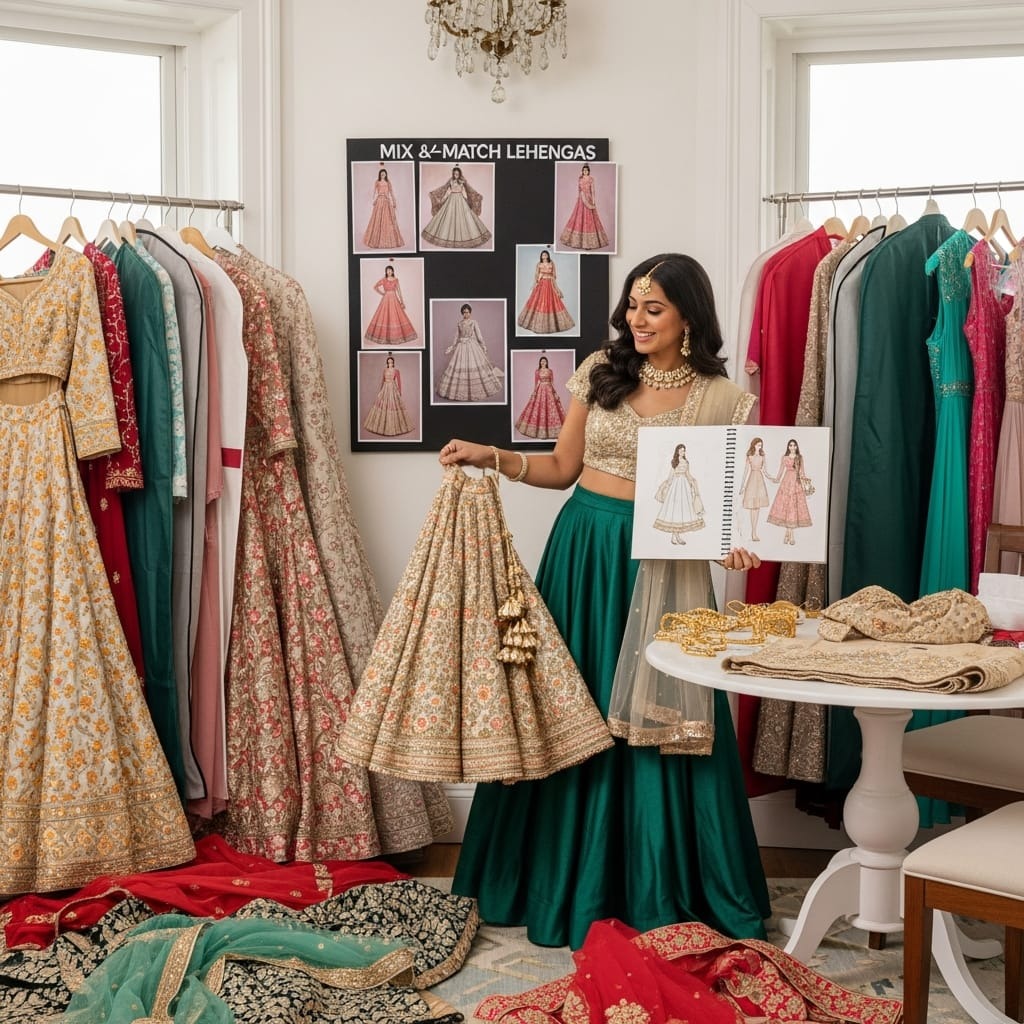
Set spending limits per category and distribute investments strategically.
Luxury should be intentional—not concentrated.
8. Ignoring Personal Style
Family influence and social expectations often overshadow individuality.
The Problem:
Brides end up wearing outfits that don’t feel authentic.
What to Do Instead:
Use your wedding as an extension of your personality.
Your wardrobe should reflect you, not just tradition.
9. Forgetting Practical Logistics
Heavy outfits, difficult drapes, and travel-unfriendly garments create complications.
The Problem:
Stress during destination weddings or multi-day events.
What to Do Instead:
Consider venue, climate, movement, and transport before purchasing.
Practicality is part of style.
10. Shopping Without a Wardrobe Strategy
Random purchases lead to duplication and inconsistency.
The Problem:
A wardrobe that lacks cohesion.
What to Do Instead:
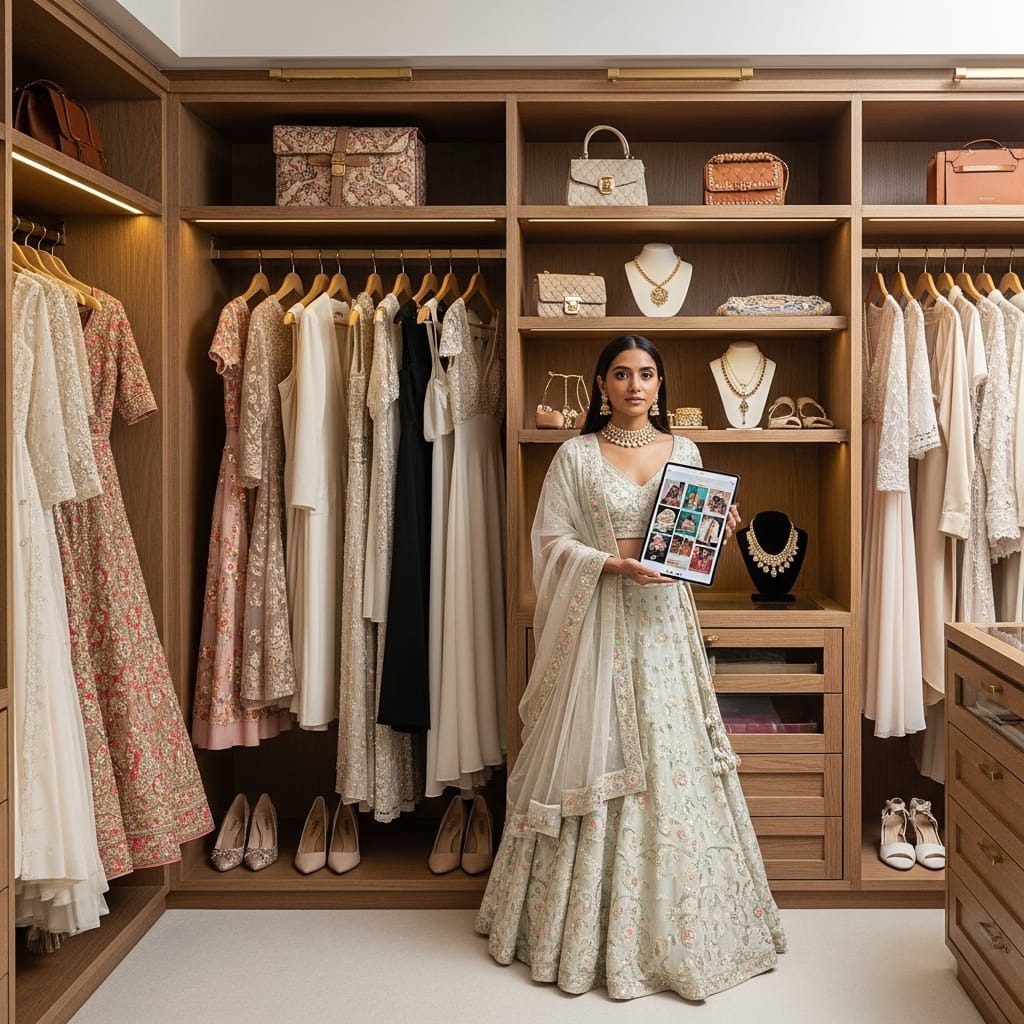
Create an event-wise plan before shopping.
Define what you need, your budget, and styling direction.
Strategy prevents overspending and confusion.
What to Wear vs What to Shop
This distinction is crucial:
What to wear = outfits that suit the event and create the right impact
What to shop = pieces that add long-term value to your wardrobe
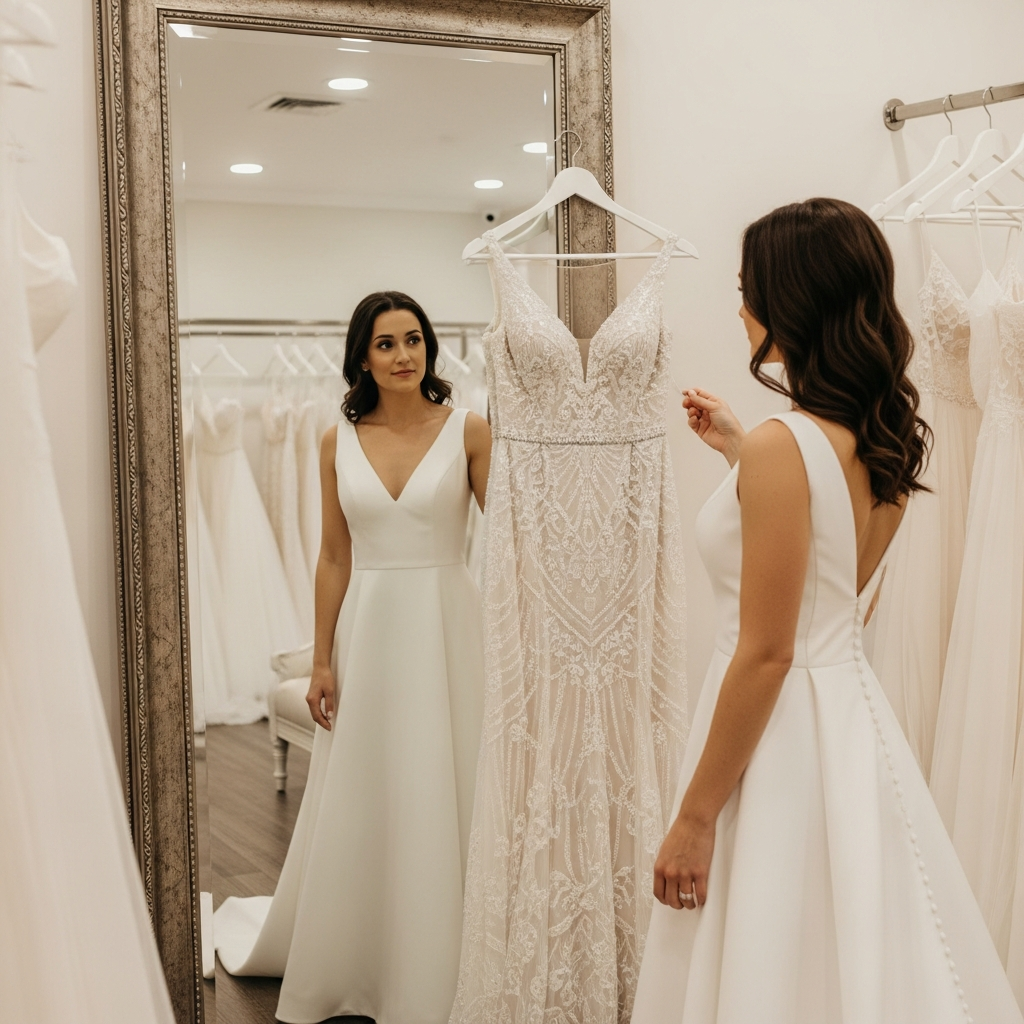
Not every event requires a new purchase. Sometimes styling existing pieces is the smarter move.
The best bridal wardrobes are not the biggest—they are the most thoughtfully built. You can check how stylebuddy transformed real grooms
A Stylist’s Final Perspective
Wedding wardrobes should be curated with clarity, not emotion alone.
The modern bride is no longer shopping for a few grand moments—she is building a wardrobe that supports her life, reflects her identity, and respects her investment.
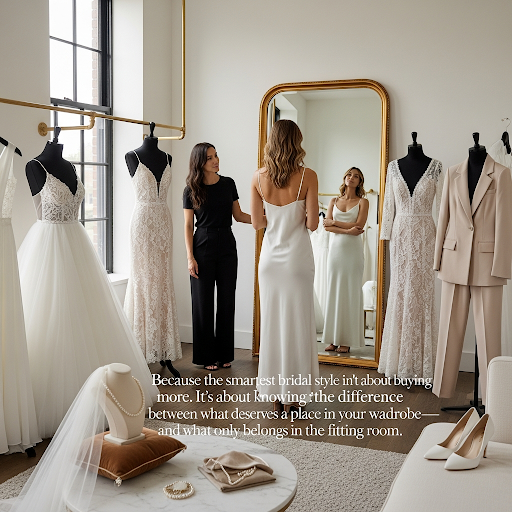
Because the smartest bridal style isn’t about buying more.
It’s about knowing the difference between what deserves a place in your wardrobe—and what only belongs in the fitting room.
---
FAQs
1. How many lehengas should a bride actually buy?
Ideally, one or two statement lehengas are enough. Balance them with versatile pieces like sarees or fusion wear.
2. What is the biggest wedding shopping mistake brides make?
Overbuying occasion-specific outfits without considering repeat value or wardrobe longevity.
3. How can brides make their wedding wardrobe more practical?
Focus on comfort, rewear potential, and complete styling plans rather than impulse-driven purchases.