

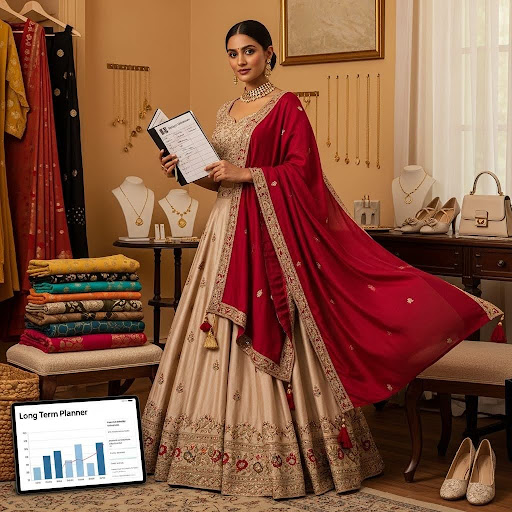
Wedding Outfit ROI: Cost-Per-Wear Strategy Every Indian Bride Should Know
The modern Indian bride is redefining bridal shopping with a more intentional, data-driven mindset. This blog introduces the concept of Cost Per Wear (CPW), helping brides evaluate their outfits not just by price, but by how often they can be worn and restyled beyond the wedding.
By focusing on versatility, timeless design, and smart budgeting, brides can build a trousseau that balances emotional value with practical ROI. The result is a wardrobe that feels luxurious, sustainable, and relevant long after the wedding celebrations end.
Indian weddings are grand, emotional, and undeniably fashion-driven. But beneath the layers of silk, embroidery, and couture lies a question most brides are now asking—is it worth it?
The modern Indian bride is shifting from impulse-driven shopping to intentional investing, and one concept is quietly redefining bridal wardrobes: Cost Per Wear (CPW).
This is not about spending less—it’s about spending smart.
What is Cost Per Wear (CPW)?
Cost Per Wear is a simple formula:
CPW = Total Cost of Outfit ÷ Number of Times You Wear It
For example:
A ₹1,50,000 lehenga worn once = ₹1,50,000 per wear
A ₹40,000 saree worn 8 times = ₹5,000 per wear
The insight?
An outfit’s real value isn’t its price tag—it’s how often it becomes part of your life.
Why CPW Matters for the Modern Indian Bride
Traditionally, bridal shopping prioritized impact over longevity. Heavy lehengas, trend-led designs, and occasion-specific outfits dominated the trousseau.
But today’s bride is:
More lifestyle-aware
More sustainability-conscious
More focused on versatility
CPW introduces a data-driven mindset into fashion—helping you build a wardrobe that lives beyond the wedding.
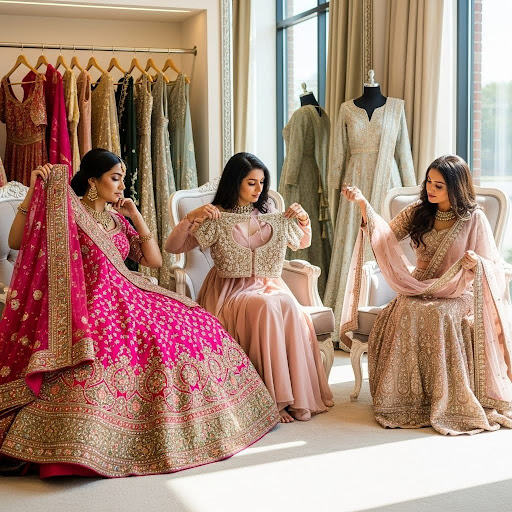
1. Shift from “One-Day Looks” to “Multi-Life Outfits”
The biggest shift in bridal styling is moving away from outfits that are worn once and archived forever.
Smart Approach:
Choose lehengas with detachable dupattas
Invest in sarees that can be restyled for multiple occasions
Opt for blouses that can pair with different skirts or pants
Stylist’s Insight:
If an outfit cannot be worn at least 3–5 times in different ways, reconsider its value.
2. Prioritize Versatile Silhouettes
Certain silhouettes naturally lend themselves to repetition.
High ROI Pieces:
Classic silk sarees
Minimal lehengas in neutral tones
Structured Anarkalis
Contemporary co-ord sets
These pieces transition easily from weddings to festive events, dinners, and even formal occasions.
3. Choose Timeless Over Trend-Driven
Trends fade. Photographs last forever.
Avoid:
Overly experimental cuts
Extremely trend-specific colors
Excessive embellishment that limits reuse
Invest In:
Classic weaves
Subtle embroidery
Balanced color palettes
Result: Lower CPW and higher wardrobe longevity.
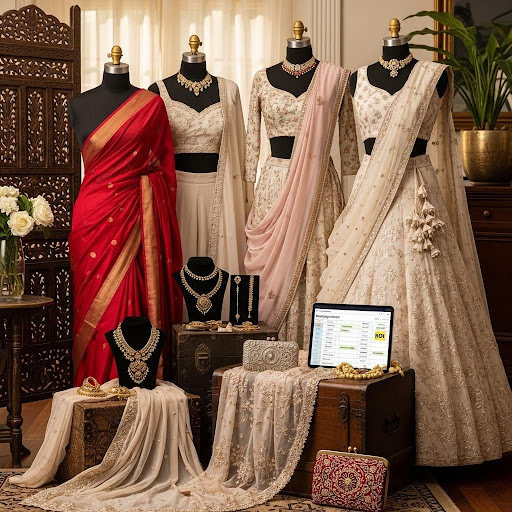
4. Plan Styling Variations in Advance
An outfit doesn’t have to look the same every time you wear it.
Rewear Strategy:
Change the blouse or dupatta
Switch from traditional to contemporary styling
Alter jewelry and accessories
Experiment with draping styles
Example:
A bridal saree styled traditionally for the wedding can later be worn with a belt and minimal jewelry for a festive dinner.
- Break Down Your Bridal Budget with ROI in Mind
Instead of allocating most of your budget to one outfit, distribute it strategically.
Suggested Approach:
30–40% on the main wedding outfit
60–70% on versatile, repeat-wear pieces
This ensures your wardrobe remains functional long after the wedding ends.
- Invest in Pieces That Can Be Repurposed
Some bridal elements can be reimagined entirely.
Examples:
Bridal dupattas styled with simpler outfits
Heavy blouses paired with skirts or trousers
Jewelry layered with modern looks
Stylist’s Note:
Think of each piece as a component, not a fixed outfit.
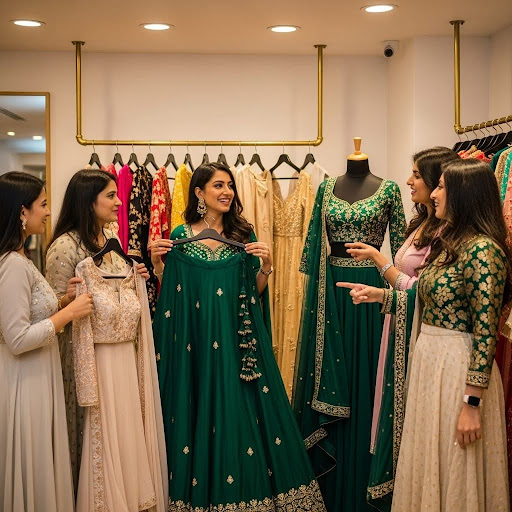
7. Consider Rental & Shared Luxury
For highly elaborate pieces with limited repeat value, renting is a smart option.
Benefits:
Access to designer wear without full investment
Lower CPW for statement pieces
Reduced wardrobe clutter
This is especially relevant for cocktail or reception outfits.
8. Emotional Value vs Financial Value
Not every outfit needs to justify itself through CPW.
Your wedding outfit, for instance, carries emotional significance. It may not be worn frequently—but its value lies in memory.
The balance:
Allow 1–2 emotional purchases
Optimize the rest for repeat value
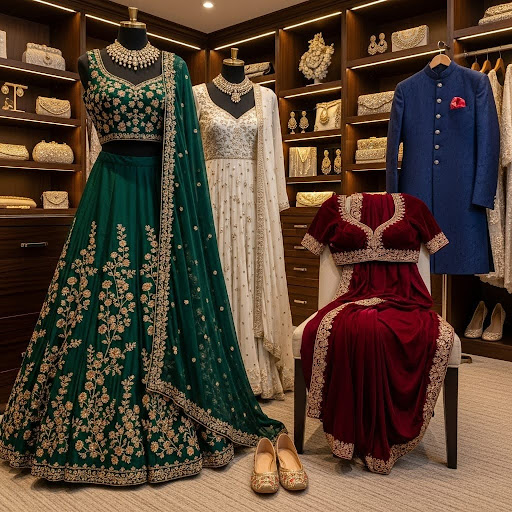
Common Bridal Shopping Mistakes (From an ROI Lens)
Overspending on single-use outfits
Ignoring versatility while buying
Choosing trend-heavy designs
Not planning rewear options
Underestimating styling flexibility
A Stylist’s Final Perspective
The idea of Cost Per Wear doesn’t take away from the joy of bridal shopping—it enhances it. It gives you clarity, direction, and confidence in your choices.
The most well-dressed brides today are not the ones who own the most outfits— they are the ones who understand their wardrobe.
Because true luxury isn’t about how much you spend— it’s about how intelligently your wardrobe works for you, long after the wedding is over.
### FAQs :
1. What is a good cost per wear for bridal outfits?
There’s no fixed number, but the lower the CPW, the better the value. Aim for outfits that can be worn at least 3–5 times to optimize cost.
2. Can heavy bridal outfits be reused?
Yes, by restyling elements like blouses, dupattas, and accessories, even heavy outfits can be adapted for future occasions.
3. Should I invest more in my wedding outfit or trousseau?
Balance both. Allocate a portion for emotional value (wedding outfit) and invest the rest in versatile pieces for long-term use.