


The Indian Professional's Ultimate Guide to Building a Work Wardrobe from Scratch
Most Indian professionals have a cupboard full of clothes. Yet dressing every morning still feels like a crisis.
The panic. The rejected outfits piling up on the bed. The resigned reach for the same kurta you wore on Tuesday. Sound familiar? **Here's the truth: **the problem is not a lack of clothes. It's a lack of system. Without a system, even a 60-item wardrobe will fail you every single morning.
This guide gives you that system — the StyleBuddy Core-8 framework — built specifically for Indian professionals navigating ethnic-western hybrid workplaces, diverse climates, and occasion-rich culture.
Whether you're building from scratch or resetting a wardrobe that isn't working, this guide will get you dressed without drama — every day.
Step 1: Define Your Wardrobe Identity Before You Buy Anything
The biggest wardrobe mistake Indian professionals make is shopping before answering three foundational questions:
-
What is my industry's actual dress code — not what I think it is, but what it literally is on most days?
-
What does my commute and work environment demand? AC office? Field visits? Back-to-back client meetings?
-
What role do I want my clothes to play in my confidence and professional identity?
In Indian workplaces, the answers vary dramatically. A product manager at a Bangalore tech startup operates in a completely different dress universe than a relationship manager at a Mumbai private bank — even though both are 'professionals.'
Write your three answers down. This single act of clarity prevents 80% of future wardrobe mistakes before you've spent a single rupee.
Step 2: Audit Your Existing Wardrobe Before You Add to It
Before buying anything new, empty your wardrobe completely. Every item — on the bed, on chairs, on the floor if needed.
Sort everything into three piles:
-
Active: Worn in the last 6 months. These are your wardrobe's current performers.
-
Reserve: Occasion-specific but intentional — wedding guest outfits, formal events, festive pieces you genuinely plan to wear soon.
-
Release: Everything else. Donate, sell, or repurpose. If an item has been ignored for 6+ months without a real reason, it's taking up physical and mental space.
Most Indian professionals discover they wear 20% of their wardrobe 80% of the time. The Release pile is usually larger than expected — and it reveals, clearly, what's actually missing.
If you already have a wardrobe and aren't sure what's really working, our complete workplace grooming guide walks you through the full professional styling picture — from grooming to outfit structure.
Step 3: Build Your Core-8 Foundation
The StyleBuddy Core-8 is a set of eight anchor pieces that form the backbone of a functional professional wardrobe. Each piece is chosen because it works with at least five other pieces in your wardrobe — creating a network of outfits rather than a collection of standalone items.
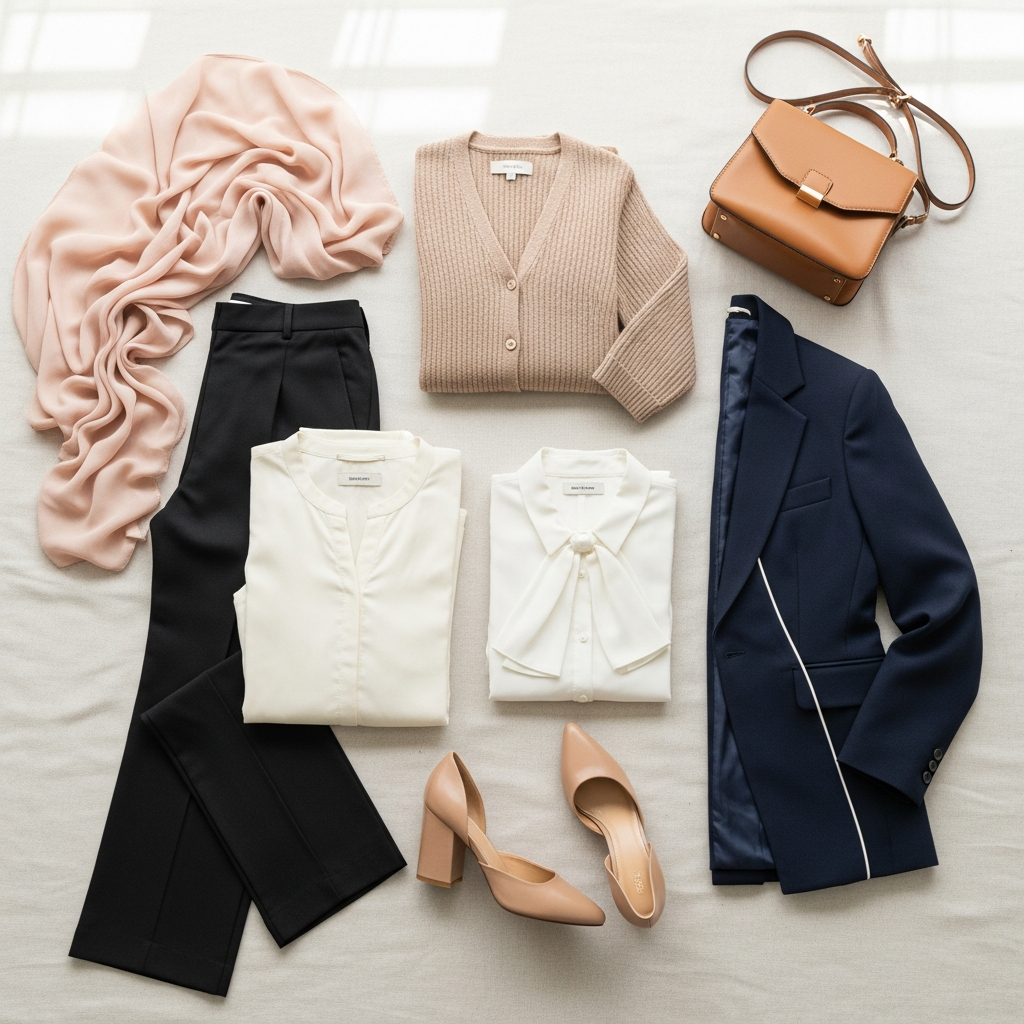
For Women
-
Two neutral bottoms: Straight-cut trousers in black and grey or navy — your highest-frequency workhorses.
-
One structured kurta: Ivory or blush, clean and minimal — pairs with trousers or works standalone.
-
Two formal blouses or shirts: Solid neutrals (white, pale blue, warm beige). The invisible heroes of every smart outfit.
-
One blazer: Navy or charcoal — upgrades every outfit by one level of formality.
-
One formal ethnic piece: A well-draping saree, structured Anarkali, or formal salwar set for occasions that demand it.
-
One pair of formal closed-toe shoes: Block heel or pointed flat — boardroom to business dinner.
-
Two layering pieces: A fine-knit cardigan for AC offices, and a lightweight dupatta that doubles as a stole.
-
One statement accessory: A structured everyday bag or a distinctive cuff — the detail that makes a simple outfit look considered.
For Men
-
Three formal trousers: Navy, grey, and black — the non-negotiable foundation.
-
Four shirts: White, pale blue, a subtle check, and a solid pastel.
-
One navy blazer: The most versatile professional investment an Indian man can make.
-
Two kurtas: One formal (functions), one festive-casual (Fridays, social events).
-
One formal shoe: Black or dark brown leather — condition matters more than most men realise.
-
One clean neutral sneaker: For smart-casual days and startup environments.
-
One structured watch: The detail that signals intentional self-presentation.
-
A fine-knit sweater or light jacket: For layering in AC offices and cooler months.
The Core-8 is not about having few clothes. It's about having the right clothes — pieces that work together as a system rather than existing in isolation.

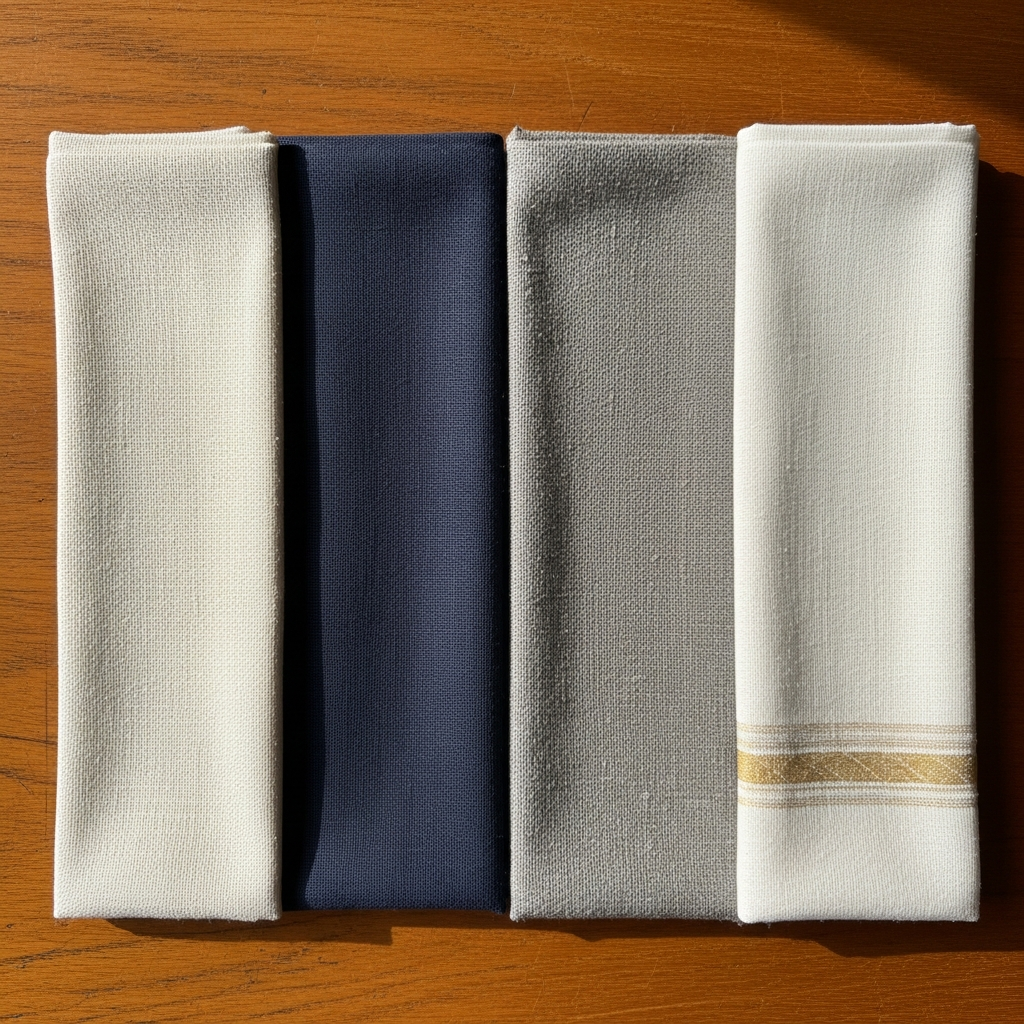
Step 4: Choose Fabrics for India's Climate, Not for Fashion Catalogues
Fabric intelligence is non-negotiable in India. Most global fashion advice ignores this entirely — and it shows on anyone who follows it through a Mumbai July.
Humid Cities — Mumbai, Chennai, Kolkata, Kochi
-
Cotton-linen blends: Breathable, structured, and professional. The gold standard.
-
Handloom cotton: India's best-kept professional dressing secret. Lightweight, distinctive, and improves with every wash.
-
Light silk and cotton-silk blends: Appropriate for formal offices. Avoid in peak summer.
-
Avoid polyester entirely — it traps heat, creates static, and shows sweat within hours.
Dry Heat Cities — Delhi, Ahmedabad, Jaipur
-
Khadi: Breathable, textured, and professional. Perfectly appropriate for most Indian office environments.
-
Linen: Thrives in dry heat. Gets better-looking with natural wear through the day.
-
Chanderi: Lightweight silk-cotton blend. Moves beautifully in warm conditions.
The AC Office Rule — Applies Everywhere
Regardless of the temperature outside, if you work in air-conditioning, you need a layer at your desk. A fine-knit cardigan, a structured blazer, or a lightweight jacket solves this permanently.
Step 5: Master the Ethnic-Western Balance
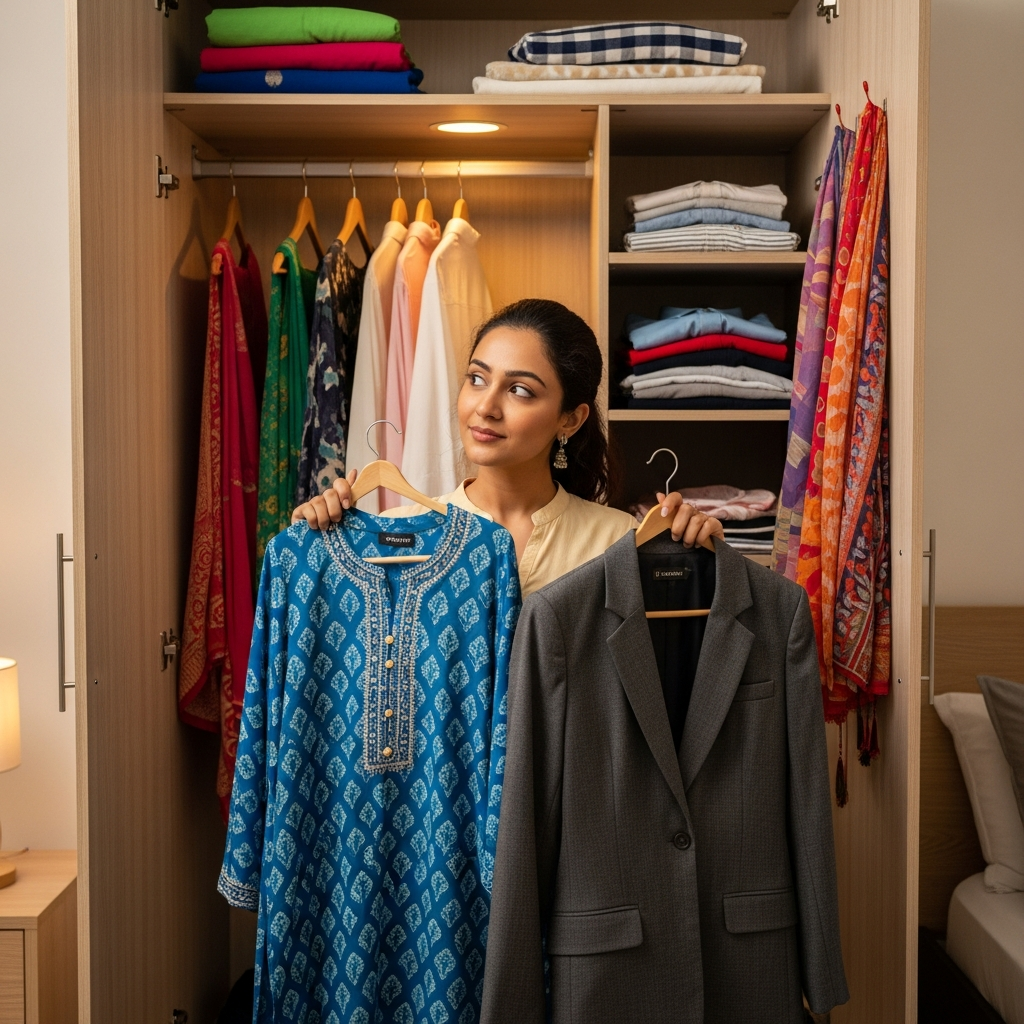
This is the styling challenge unique to Indian professionals — and no Western wardrobe guide will help you navigate it. Here's a simple framework:
-
60% western office culture → 60% western wardrobe, with 40% ethnic pieces that can integrate — kurtas that work with trousers, sarees that drape business-smart.
-
Hybrid office culture → 50-50 split, with fusion-ready anchor pieces: long kurtas that tuck, dupattas that double as stoles, Nehru jackets that layer over shirts.
-
Traditional or conservative culture → 60–70% ethnic, with western basics for informal days and Friday casuals.
The most common mistake: buying ethnic and western pieces that exist in completely separate wardrobe universes, with no pieces bridging the two. The fix is always fusion-capable anchor pieces — items that belong to both worlds simultaneously.
Step 6: Build a Targeted Shopping List — Not a Wishlist
Once your audit is complete and your Core-8 is mapped against what you already own, you'll know exactly what you need — not what you want, but what you need.
Every item on your shopping list must meet three criteria before it earns a place:
-
It fills a specific gap identified in your wardrobe audit.
-
You can name at least five existing outfits it will be part of.
-
It suits your actual life — not the life you imagine you might have someday.
If an item doesn't meet all three, it stays off the list. This is how you stop buying things you'll never wear.
The best wardrobes are built on discipline, not spending. A 5-item shopping list that's 100% right beats a 20-item haul where 15 pieces never integrate.
The 5 Most Common Work Wardrobe Mistakes Indian Professionals Make
-
Buying for aspirational occasions: Clothes for the client dinner that happens twice a year, rather than the Tuesday meeting that happens every week.
-
Ignoring fit in favour of style: A well-fitted ₹2,000 trouser outperforms a poorly fitted ₹8,000 one. Every single time.
-
Over-indexing on ethnic formal: Multiple sarees and lehengas, but zero smart-casual options. The daily wardrobe gets neglected.
-
Treating fabric as an afterthought: Choosing colour and silhouette first, fabric last — then being surprised when the outfit falls apart by noon in Mumbai humidity.
-
Shopping without a system: Buying what catches the eye in a sale, rather than what addresses a specific wardrobe gap.
Your 5-Item Quick-Start Shopping List
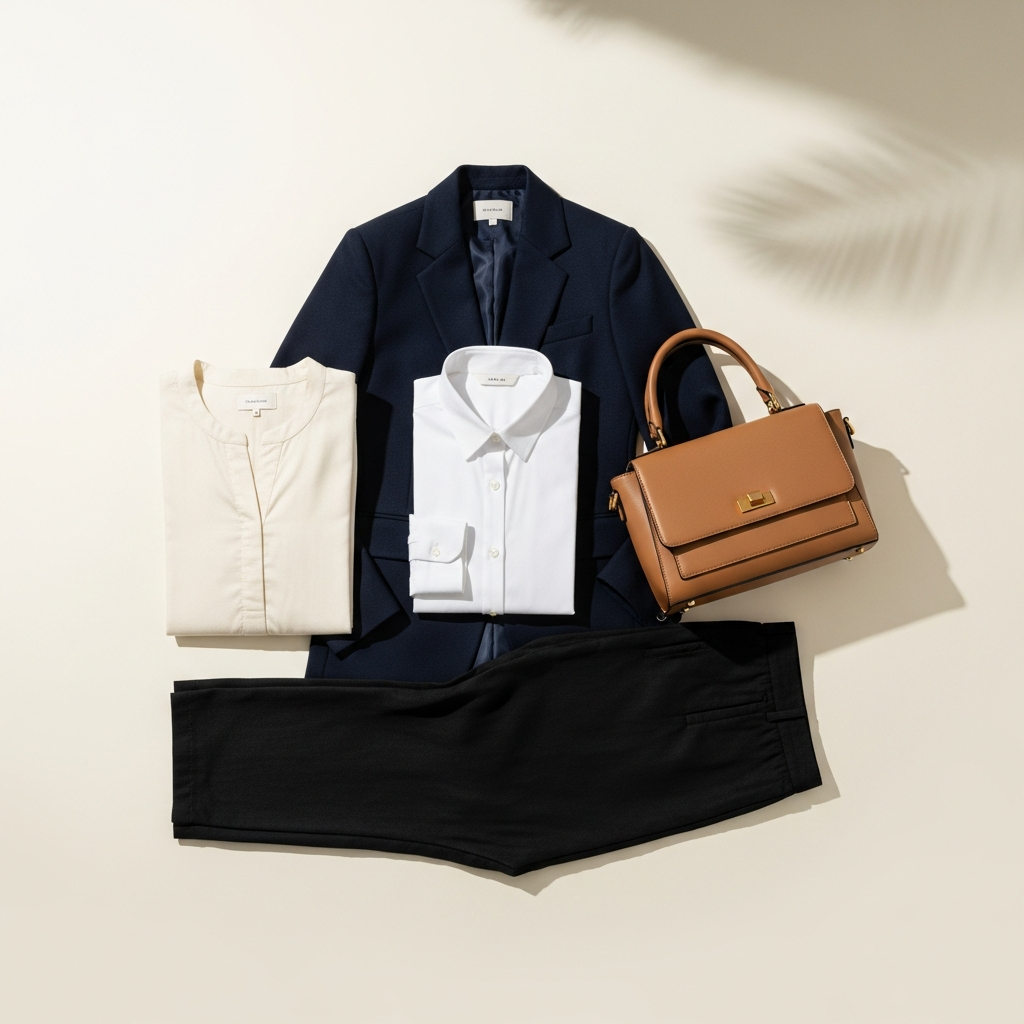
If you're starting from near zero, these are the five highest-impact items to buy first — in priority order:
-
One black straight-cut trouser (linen, wool blend, or ponte): The foundation of more outfit combinations than any other single item.
-
One formal white blouse or shirt (well-fitted, quality cotton): Works with every bottom, every blazer, every situation.
-
One navy blazer (structured, fits at the shoulder): Upgrades every outfit it touches. Buy once, wear forever.
-
One structured everyday bag (neutral — tan, black, or navy): The detail that signals professional intentionality.
-
One well-fitted formal kurta (ivory or blush, clean hem, no heavy embellishment): Your ethnic-western bridge piece.
Not sure if you need professional help pulling this together? Our guide on what a personal stylist actually does in India — including costs and what to expect — breaks it down honestly so you can decide.
How StyleBuddy Can Help
The Core-8 framework in this guide is exactly what StyleBuddy applies in every wardrobe consultation — with one crucial difference: we apply it to your specific body, budget, city, and workplace.
Our stylists conduct a full wardrobe audit, identify your exact gaps, and build a precise shopping list. We make what you already own work harder first — then add only what's genuinely missing.
Virtual sessions are available pan-India. In-person styling is available across 35+ cities.
The Bottom Line
A work wardrobe that works every morning is not a luxury — it's a system. And like all systems, once it's built correctly, it runs on its own.
Define your wardrobe identity. Audit ruthlessly. Build the Core-8 with India's climate in mind. Master your ethnic-western ratio. Shop with a list, not a mood.
Do this once. Do it right. And you'll never stand in front of a full wardrobe feeling like you have nothing to wear again.
If you'd rather not do it alone, book a free trial session— India's personal styling service trusted across 35+ cities. Our stylists will build your system for you, down to the last outfit formula.