

Met Gala 2026: A Stylist’s Lens on “Fashion is Art”
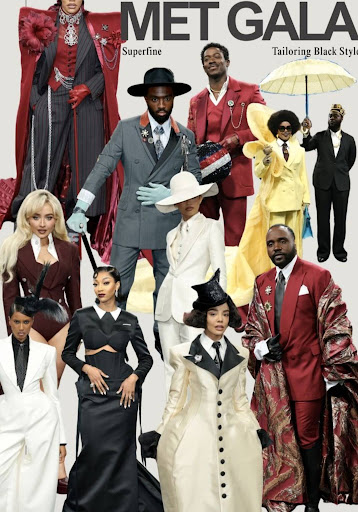
Every year, the Met Gala sets the tone for how fashion will be seen, interpreted, and discussed globally. But 2026 feels particularly significant. With the theme “Fashion is Art,” the line between clothing and creative expression isn’t just blurred—it’s intentionally erased. From a stylist’s perspective, this is where fashion stops being about “what looks good” and starts becoming about what communicates something deeper.
The Met Gala has always been known as fashion’s biggest night, but what makes it powerful is not just the spectacle—it’s the influence. The red carpet doesn’t just showcase outfits; it creates visual narratives that trickle down into mainstream styling, content creation, and even everyday wardrobes.
Fashion as a Medium, Not Just an Outfit
As stylists, we’re trained to think beyond garments. We consider silhouette, color, proportion, and context. But themes like “Fashion is Art” demand something more—conceptual thinking.
This means the outfit is no longer the end product; it’s the medium. A look might represent a historical reference, a social commentary, or even an abstract emotion. The challenge—and the opportunity—for stylists is to translate these ideas into something visually striking yet cohesive.
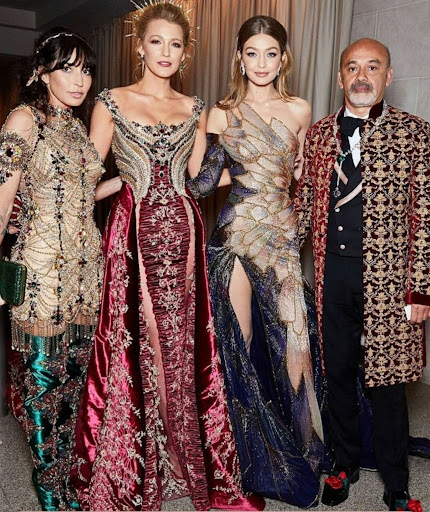
At the Met Gala, this often results in dramatic couture, sculptural silhouettes, and intricate detailing. But what’s important to note is that these looks aren’t random. They are highly intentional compositions, much like a painting or a piece of performance art.
The Pressure of Interpretation
One of the most interesting aspects of styling for the Met Gala is interpretation. Unlike traditional red carpets where the goal is elegance or glamour, here the goal is alignment with the theme.
And that’s where things get complex.
A literal interpretation can feel predictable. An overly abstract one can feel disconnected. The sweet spot lies in creating a look that is recognizable, yet thought-provoking.
For stylists, this is where research becomes critical. Understanding art movements, cultural references, and design history allows for richer storytelling. It’s not just about dressing a celebrity—it’s about building a concept that resonates.
Red Carpet as a Trend Laboratory
From a broader perspective, the Met Gala functions as a trend incubator. What we see on those steps often influences fashion for months, if not years.
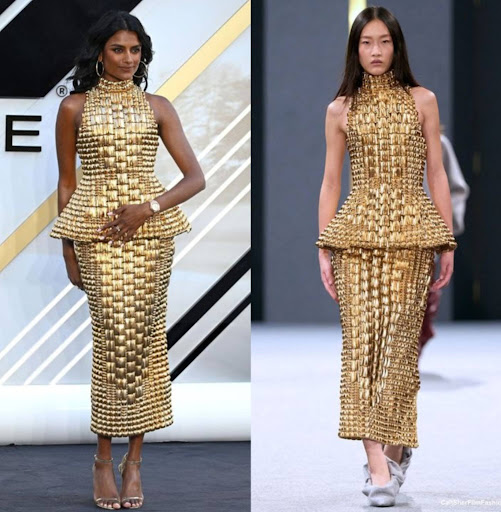
For example, a surge in structured silhouettes, metallic textures, or exaggerated proportions can often be traced back to standout Met Gala moments. While the average person may not replicate these looks exactly, elements of them filter down into ready-to-wear fashion.
As stylists, this is where observation becomes a skill. We look at these high-concept outfits and ask:
- What can be adapted?
- What can be simplified?
- What can be made wearable?
Because ultimately, our role is to translate high fashion into real-life styling.
The Role of Storytelling
In 2026, storytelling is at the core of styling. The audience is no longer passive—they are curious, analytical, and highly engaged.
Every Met Gala look is dissected online within minutes. Who designed it? What inspired it? What does it mean?
This shift has changed how stylists approach their work. It’s no longer enough to create a visually appealing outfit. There needs to be a narrative that supports it.
For the “Fashion is Art” theme, this could mean:
- Drawing inspiration from a specific artist or era
- Using fabrics and techniques that mimic artistic mediums
- Incorporating symbolism into the design
The result is a look that doesn’t just photograph well—it invites conversation.
Virality and the Digital Impact
Another layer to consider is the role of digital media. The Met Gala is no longer confined to the steps of the museum. It lives on Instagram, TikTok, and every major content platform.
From a stylist’s point of view, this changes the approach entirely.
Outfits are now designed not just for the red carpet but for:
- Close-up shots
- Video movement
- Social media shareability
Details matter more than ever. Textures, embellishments, and construction techniques need to hold up under scrutiny. At the same time, the overall look needs to be instantly impactful to stand out in a crowded digital space.
This is where the balance between artistry and accessibility becomes crucial.
Balancing Concept and Wearability
One of the biggest challenges in styling for a theme like this is maintaining wearability. While the Met Gala allows for extremes, the human element cannot be ignored.
The person wearing the outfit needs to feel confident, comfortable, and aligned with the look. If the styling overwhelms the individual, the impact is lost.
This is where collaboration becomes key. Stylists work closely with designers, makeup artists, and the celebrity themselves to ensure that the final look feels authentic.
Because at the end of the day, the most memorable looks are not just visually striking—they are effortlessly owned by the person wearing them
Why the Met Gala Still Matters
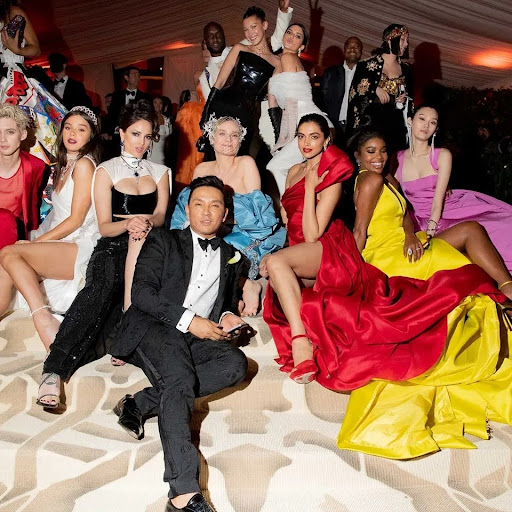
In an era where fashion content is constant and trends change rapidly, the Met Gala remains a defining moment. It brings the industry together and sets a benchmark for creativity.
For stylists, it serves as both inspiration and direction. It challenges us to think bigger, push boundaries, and approach fashion as a form of expression rather than just presentation.
The 2026 theme, “Fashion is Art,” reinforces this idea. It reminds us that styling is not just about putting clothes together—it’s about creating meaning through visual language.
Final Thought
As a stylist, the Met Gala is more than an event—it’s a masterclass. It teaches us how to merge creativity with intention, how to balance concept with execution, and how to tell stories through style.
In 2026, as fashion continues to evolve, one thing becomes clear: the future of styling lies not in following trends, but in creating narratives that resonate.
And there is no better stage for that than the Met Gala.