


How to Dress Better Instantly (Even If You Have No Sense of Style)
Here's something most people get wrong about style: they think it's a talent. Something you either have or you don't. Something coded into people who grew up around good dressing or naturally gravitate toward fashion.
It isn't.
Most people who say they have 'no sense of style' actually have a very clear sense of what they don't like. They know when an outfit feels wrong. They notice when someone walks into a room looking put-together. The gap is almost never taste — it's knowledge.
And knowledge can be taught in an afternoon.
The real barrier to dressing better is not your budget, your body type, or your occasion. It's three missing skills: fit awareness, colour coordination, and occasion-to-outfit mapping. This post teaches all three — with immediate, zero-cost application.
You don't need new clothes to start dressing better. You need new rules applied to what you already own.
Why Most People Dress Worse Than They Need To
Before the rules, the diagnosis. Most dressing problems come from three specific habits — and if you recognise yourself in any of them, that's the starting point.
-
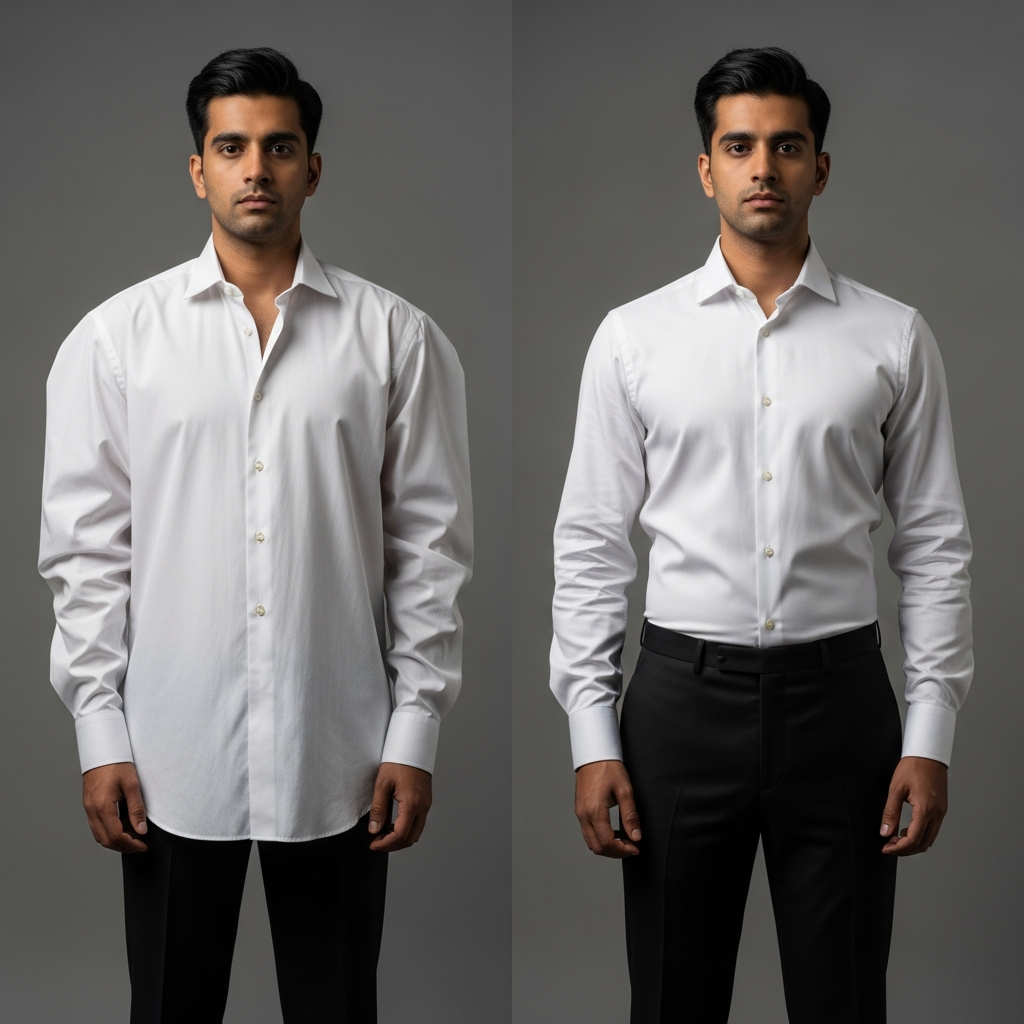
Buying clothes that 'fit the body' rather than fit well. There's a difference. A shirt that buttons up and doesn't fall off technically 'fits.' A shirt where the shoulder seam sits at your actual shoulder, the chest isn't pulling, and the hem lands in the right place — that fits well. Most Indians buy the first kind and wonder why they don't look polished.
-
Building outfits item by item rather than as a complete look. You buy a shirt you like. You buy trousers you like. They've never been in the same room together in your imagination until the morning you're getting dressed. This is how mismatched, unconsidered outfits happen — not from bad taste, but from isolated purchasing.
-
Shopping emotionally — for the occasion, the sale, or the mood. The Rs 1,499 kurta that caught your eye in a sale. The formal shirt bought for a wedding that was worn once. The impulse top that seemed right in the store and wrong in your wardrobe. Emotional shopping fills your wardrobe without building it.
Recognise any of these? Good. Now here's how to fix all three.
Rule 1 — Fit Is Everything, and Everything Else Is Secondary
If you could make only one change to how you dress — just one — it would be this: wear clothes that actually fit your body today.
Not the body you're working toward. Not the size you've always bought. Your body, right now, as it is.
This is harder than it sounds, because most people have complex feelings about their size. But fit is not about size — it's about proportion. A well-fitted size L looks infinitely better than a poorly fitted size S. The number on the label is irrelevant. The way the garment sits on your body is everything.
The Fit Checklist — Check These Every Time
-
Shirts and blouses: The shoulder seam should sit exactly at your shoulder bone — not drooping down your arm, not pulling upward. The chest should lie flat without pulling at the buttons. The hem should be long enough to tuck but short enough to wear untucked cleanly.
-
Trousers: The waist should sit without a belt being the only thing holding them up. The break (where the trouser meets the shoe) should be one gentle fold — not stacking on the floor, not hovering above the ankle like a flood-prep measure.
-
Kurtas: The hem should fall at a consistent length around the body. Side slits should lie flat, not pull open. The chest and shoulders should sit without pulling.
-
Blazers and jackets: Slip a clenched fist between your lapel and chest — if it fits comfortably, the chest is right. If you can't get it in, it's too small. If your whole hand disappears with room to spare, it's too big.
💡 Any tailor in India will fix a shirt's shoulder, taper a trouser, or adjust a kurta's hemline for ₹100–₹300. A ₹500 shirt that fits perfectly looks better than a ₹5,000 shirt that doesn't. This is the single highest-ROI investment in dressing better.
Rule 2 — The 3-Colour Rule for Instant Coordination
The most common reason an outfit looks 'off' has nothing to do with the individual pieces. Each item might be perfectly nice on its own. The problem is that together, they're creating visual noise — too many colours, too many competing signals, no coherence.
The fix is simple: never wear more than 3 colours in one outfit.
How the 3-Colour Structure Works
-
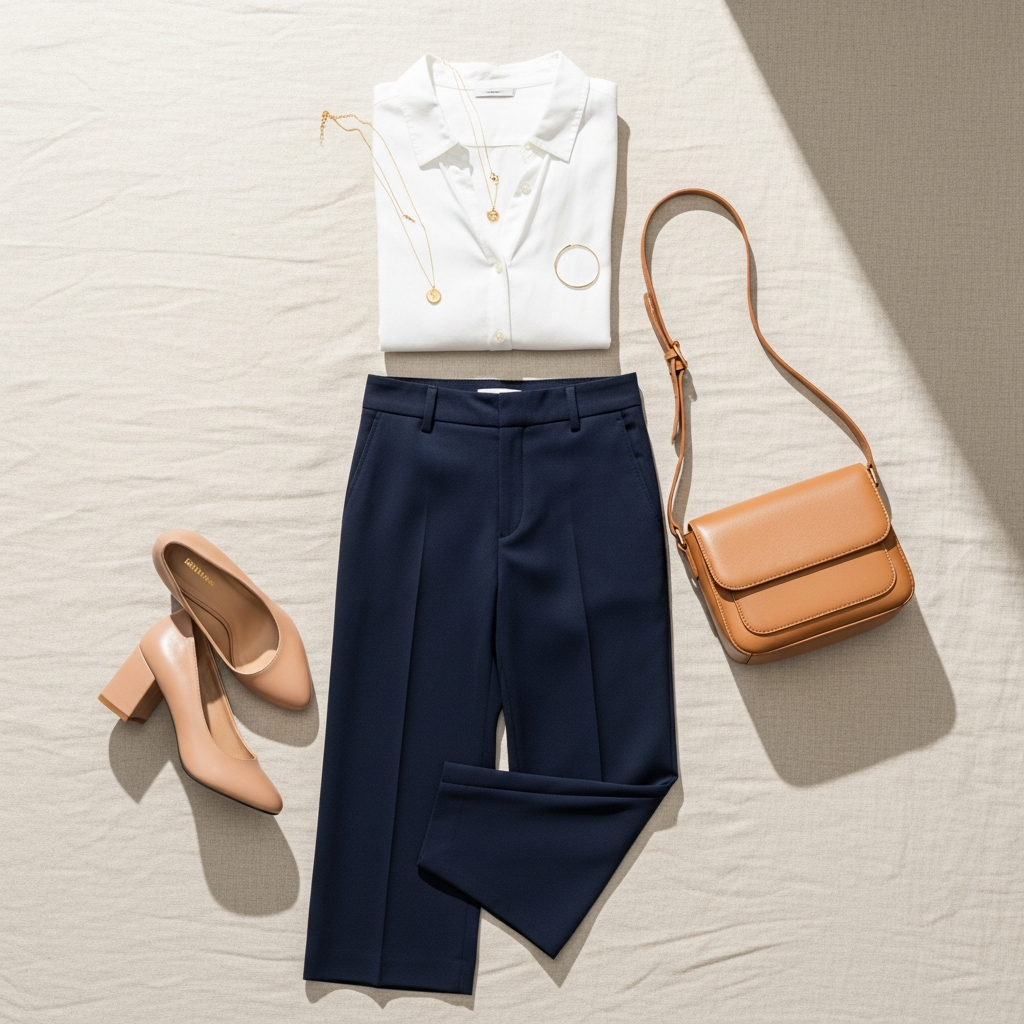
Dominant colour (60%): The main colour of your outfit — usually your bottom or the largest item. This sets the tone.
-
Secondary colour (30%): A complementary colour in your top or second-largest item. It supports the dominant without fighting it.
-
Accent colour (10%): One pop of a third colour — a bag, a dupatta, a pair of earrings, a belt. Just one.
If you're just starting out, begin with 2 colours and a neutral. Navy trouser + white shirt + tan bag. Black trousers + ivory kurta + gold earrings. Beige salwar + rust dupatta. Two colours and a neutral is almost always safe.
What Counts as a Colour vs a Neutral
Neutrals — white, black, grey, navy, beige, camel, ivory, cream — don't count toward your 3. They sit alongside any colour without competing. So navy trousers + white shirt + olive blazer is technically 3 items but only 1 colour (olive) because navy and white are neutrals. This gives you more flexibility than you might think.
Applying the Rule to Indian Ethnic Wear
Prints and embroidery are where this rule gets tested. The key: identify the dominant colour in the print or embroidery and count that as your colour. If your kurta is a blue and white block print, your dominant colour is blue. Add a white or ivory dupatta (neutral), and a tan leather bag (neutral). Done — clean, coordinated, intentional.
For a more in-depth guide to rebuilding your wardrobe around coordination principles, our complete wardrobe makeover guide walks through the full process — from audit to shopping list.
Rule 3 — Dress One Level Up from the Occasion
Here's a habit that instantly separates people who look put-together from people who don't: they always dress one level above what's strictly required.
Not overdressed. One level up. There's an important difference.
What 'One Level Up' Looks Like in Practice
-
Office casual day → Add a blazer over your usual shirt. Same clothes, one additional intentional layer = completely different impression.
-
Casual weekend outing → Clean shoes + structured top instead of the first t-shirt you grabbed. The shoes alone do most of the work.
-
Festive function → Instead of buying a new outfit, upgrade your existing ethnic with better accessories — a statement piece of jewellery, a quality clutch, a freshly pressed dupatta in a complementary colour.
-
Work-from-home meeting → Even on camera, a collared shirt or a structured kurta top signals that you've made an effort. It also signals it to you — which affects how you perform in the call.
The psychological effect of dressing one level up is well-documented: it changes how you feel about yourself, how others perceive you, and how you perform in situations that matter. It costs almost nothing.
The 5-Minute Outfit Check Before You Leave
Most dressing mistakes happen in the last 5 minutes before leaving. You're running late, you grab what's close, and you don't stop to ask whether it's actually working. Build this habit: 5 questions, every time.
-
Does everything fit well? Run the fit checklist above on what you're wearing. If something's pulling, drooping, or sitting wrong — change it or note it for the tailor.
-
Are my shoes clean and appropriate? Shoes are the most noticed detail in any professional or social context. Clean shoes with the right formality level for the occasion — non-negotiable.
-
Is this maximum 3 colours? Count. If you're at 4 or more, remove one item or swap something for a neutral.
-
Am I dressed for where I'm actually going — not where I wish I was going? Honest question. The outfit should match today's actual context, not an aspirational version of it.
-
Is there one thing I could remove to make this cleaner? The subtraction question. Most outfits are improved by removing something — an accessory, a layer, a piece that's fighting the rest. Try it.
The 'remove one thing' rule is the most powerful styling edit available. Most outfits are one item away from looking considered rather than confused.
Quick Wins for Instantly Better Dressing — Starting Today
-
Iron or steam every outfit before wearing it. Nothing communicates 'I've stopped caring' more clearly than visible creases. A ₹500 steamer is a life-changing investment.
-
Get three garments tailored this week. Pick the three most-worn pieces in your wardrobe that don't fit perfectly. Take them to a tailor. The transformation will be immediate.
-
Invest in one good pair of shoes per category — formal, smart-casual, ethnic. Shoes anchor every outfit. A well-maintained quality shoe elevates everything worn above it.
-
Build one 'default outfit' per occasion. One office outfit you know works. One casual outing outfit. One ethnic function outfit. When you have no time or energy, refer to the default. Never experiment on high-stakes days.
-
Clean out your duplicates. If you own 6 black kurtas with marginal differences, you're not building a wardrobe — you're postponing a decision. Keep the best two, release the rest.
The Faster Route to Dressing Better
Everything in this post works. If you apply these three rules consistently — fit, the 3-colour system, and dressing one level up — your dressing will improve noticeably within a week.
But there's a faster route.
StyleBuddy's personal styling sessions start exactly here — applying these principles to your specific wardrobe, body proportions, lifestyle, and occasions. Our stylists don't overhaul everything at once. They identify the three specific changes in your existing wardrobe that will make 80% of the difference immediately.
Most clients leave a single session with a clearer understanding of their wardrobe than they've had in years — and a precise list of what to change, what to keep, and what to finally let go.
See what a wardrobe makeover with StyleBuddy actually involves — and whether it's right for you — at our wardrobe makeover service page.
The Bottom Line
You don't need a sense of style to start dressing better. You need three rules and the discipline to apply them.
Rule 1: Wear clothes that actually fit your body today. Rule 2: Never exceed 3 colours in one outfit. Rule 3: Dress one level above what the occasion strictly requires.
Apply all three, run the 5-minute check every morning, and get three things tailored this week. Your dressing will change immediately — before you've spent a rupee on new clothes.
And if you want to do this properly, with professional guidance applied to your specific situation — book a free StyleBuddy style assessment. Our stylists will identify what's working, what isn't, and exactly what to change first.