

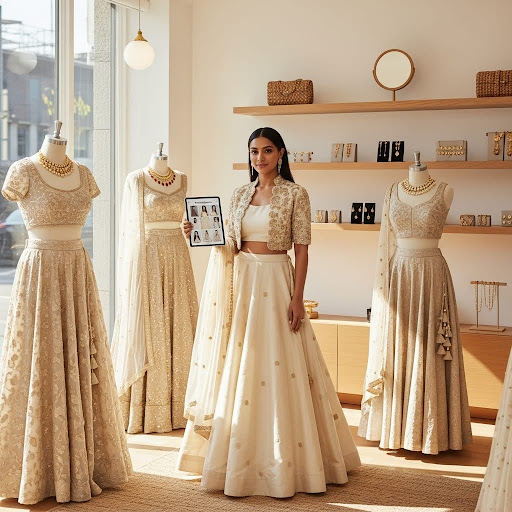
Wedding Shopping Checklist 2026: The Only Wardrobe Guide You’ll Actually Need

- #wedding-shopping-checklist
- #2026
Wedding shopping can quickly become overwhelming without the right structure. This guide simplifies the process with a comprehensive, event-wise checklist that helps brides plan their wardrobe with clarity, intention, and ease.
By focusing on versatility, practicality, and smart curation, modern brides can build a wardrobe that not only looks beautiful during the wedding but continues to serve them long after. It’s not just about shopping—it’s about building a wardrobe that works.
Wedding shopping in India is no small task—it’s layered, emotional, and often overwhelming. Between multiple functions, outfit expectations, and endless options, it’s easy to overbuy, underplan, or lose sight of what truly matters.
In 2026, the modern bride is moving towards a smarter approach: intentional shopping, versatile wardrobes, and curated choices over excess. This is not just a checklist—it’s a strategic wardrobe guide designed to simplify your entire wedding shopping journey.
How to Approach Wedding Shopping in 2026
Before diving into the checklist, shift your mindset:
Think wardrobe, not just outfits
Prioritize repeat value and versatility
Balance tradition with personal style
Plan event-wise, not impulse-wise
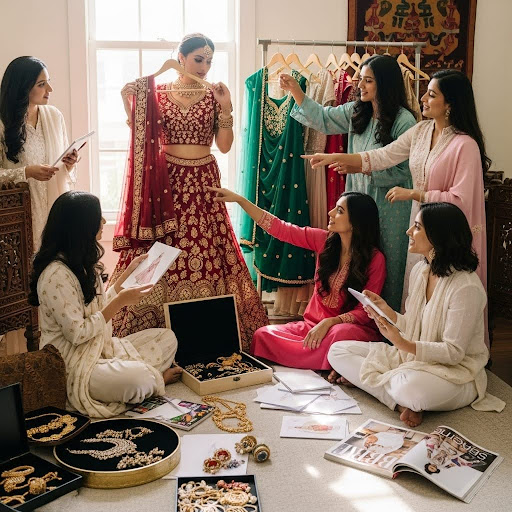
The Ultimate Wedding Shopping Checklist
- Bridal Ceremony Outfit (The Main Look)
Your wedding outfit is the emotional centerpiece of your wardrobe.
Checklist:
Lehenga or saree (depending on tradition)
Dupatta (veil + styling dupatta if needed)
Bridal blouse (ensure comfort + fit)
Stylist’s Tip: Choose a design that photographs well and allows you to move comfortably.
2. Pre-Wedding Function Outfits
Each function has its own aesthetic—your outfits should reflect that.
Mehendi / Haldi
Lightweight lehenga / sharara / kurta set
Breathable fabrics (cotton, organza, chiffon)
Easy-to-move silhouettes
Sangeet / Cocktail
Statement lehenga or gown
Structured Indo-western outfit
Outfit that allows dancing comfortably
Reception
Contemporary saree / gown / minimal lehenga
Sleek, refined silhouette
3. Trousseau Essentials (Post-Wedding Wardrobe)
Your trousseau should support your life after the wedding.
Must-haves:
3–5 everyday ethnic sets (cotton, silk blends)
2–3 festive outfits (light sarees, Anarkalis)
Western wear (dresses, co-ords, blazers)
Comfortable loungewear and nightwear
Focus: Versatility, comfort, and repeat value.
4. Jewelry Checklist
Divide your jewelry into bridal and everyday wearable.
Bridal Jewelry:
Necklace set (choker + long haar if needed)
Earrings
Maang tikka
Bangles / kaleeras
Everyday / Reusable Jewelry:
Minimal gold or diamond set
Stud earrings
Stackable bangles
5. Footwear Planning
Footwear is often overlooked—but essential.
Checklist:
Bridal heels
Comfortable flats / juttis
Reception heels
Sneakers for travel
Rule: Always have one comfortable backup pair for every event.
6. Dupattas & Blouses (The Hidden Heroes)
These are your most versatile styling tools.
Include:
Neutral dupatta (can be styled with multiple outfits)
Statement blouse (can be reused with sarees/skirts)
Stylist’s Insight: A single blouse can transform multiple looks—invest wisely.
7. Accessories & Add-ons
Small details complete your look.
Clutches (ethnic + modern)
Belts (for saree or lehenga styling)
Hair accessories
Sunglasses (for daytime events)
8. Beauty & Grooming Kit
Keep this practical and familiar.
Essentials:
Skincare basics
Makeup kit (tested products only)
Hair tools
Fragrance
9. Seasonal & Destination Essentials
Your wardrobe should match your wedding setting.
Shawls or jackets (for winter weddings)
Breathable fabrics (for tropical locations)
Weather-appropriate footwear
10. Honeymoon & Travel Wardrobe
Plan beyond the wedding.
Easy, wrinkle-free outfits
Comfortable airport looks
Day-to-night travel pieces
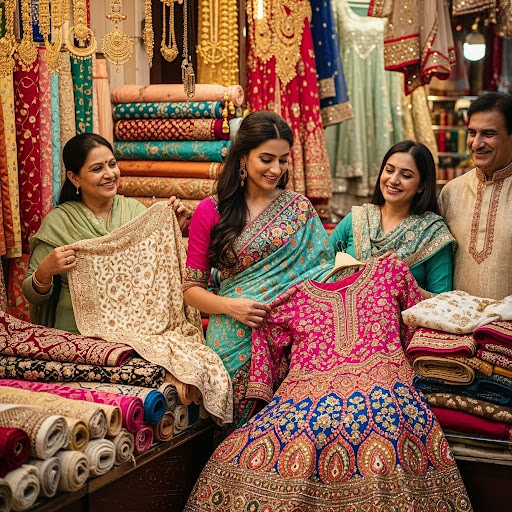
Smart Shopping Tips for 2026 Brides
Edit ruthlessly: Not everything you like needs to be bought
Mix high & low: Invest in key pieces, balance with basics
Plan complete looks: Outfit + jewelry + footwear
Avoid last-minute shopping: Leads to poor decisions
Think rewear: Every piece should have a second life
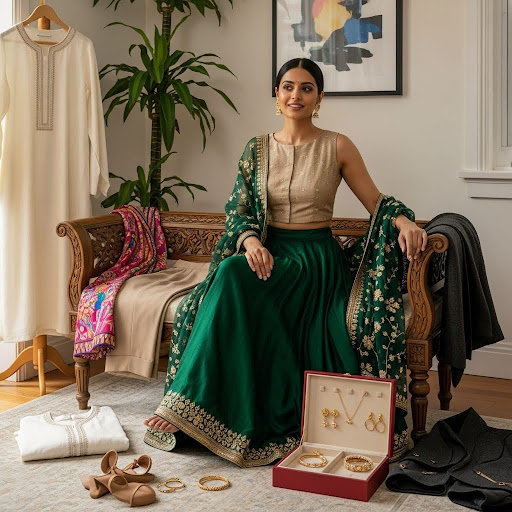
Common Wedding Shopping Mistakes
Overbuying heavy outfits
Ignoring comfort and fit
Not planning for post-wedding wardrobe
Choosing trend-heavy pieces
Forgetting practical essentials
A Stylist’s Final Word
The perfect wedding wardrobe isn’t the biggest—it’s the most thoughtfully curated.
When you approach shopping with clarity, intention, and a structured checklist, you don’t just build outfits—you build a wardrobe that supports you beyond the wedding.
Because in 2026, bridal style isn’t about how much you own— it’s about how seamlessly your wardrobe fits into your life.
FAQs
1. How early should I start wedding shopping?
Ideally, start 4–6 months in advance to allow time for customization, fittings, and thoughtful selection.
2. How many outfits does a bride need for her wedding?
Typically 4–6 key outfits (wedding, pre-wedding events, reception) along with a well-planned trousseau.
3. How can I avoid overspending on wedding shopping?
Set a clear budget, prioritize versatile pieces, and follow a structured checklist to avoid impulse purchases.